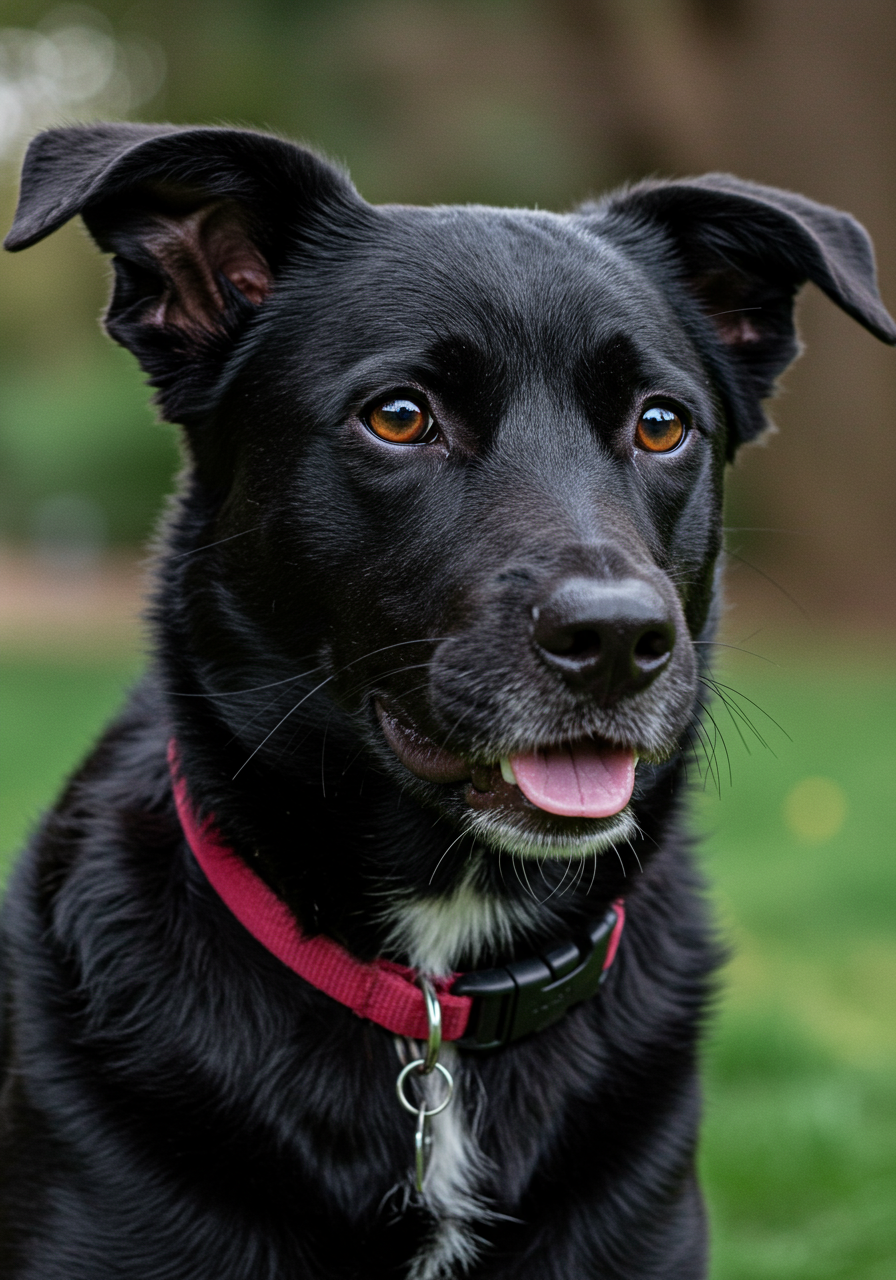
Blackie's Golden Years: Our Journey Through Senior Dog Care and Adjustments
I. Introduction: Embracing the Grey (and the Grins!)
It feels like just yesterday Blackie was a mischievous puppy, all boundless energy and clumsy paws. He'd chase a tennis ball until he collapsed in a happy heap, his tail a blurry propeller of joy.Now, his muzzle is dusted with white, his naps are longer, and his "zoomies" are more of a slow, thoughtful trot. He’s 12 years young now, and while some things have slowed down, our love for him has only grown deeper.
Blackie, our loyal Labrador mix, has been the heart of our home for over a decade. He’s seen us through so many milestones, always there with a comforting nudge or an enthusiastic greeting. His personality is a unique blend of stoic guardian and goofy companion, a truly special boy.
Aging is a natural, inevitable part of life for our beloved pets, but it certainly comes with its own set of changes and challenges.
The purpose of this post is to share our family's experiences and the adjustments we've made in caring for Blackie as he's gotten older. We hope that by sharing our journey, we can offer some insights and perhaps a little comfort to other dog owners who are navigating their own senior dog years.
It's been, and continues to be, a journey of learning, patience, and immense, unconditional love.
II. Recognizing the Signs: How We Knew Blackie Was Getting Older (and What We Noticed First)
For us, the shift wasn't sudden. It was a gradual unfolding of small changes that, when pieced together, painted a clear picture of Blackie entering his golden years.A. Subtle Shifts in Behavior
One of the first things we noticed was his increased need for sleep. Blackie went from taking a few short naps throughout the day to spending a significant portion of his time snoozing comfortably on his bed or the couch.His enthusiasm for our long evening walks, once his absolute favorite activity, started to wane. He'd still come along, but his pace slowed, and he'd often lag behind, sniffing every blade of grass with meticulous care rather than striding purposefully.
We also observed some changes in his sleep patterns at night. There were times he’d wake up more frequently, sometimes pacing or seeming a bit restless, which was unusual for our normally sound sleeper.
Occasionally, we'd hear a soft whine when he couldn't quite get comfortable or seemed a bit disoriented after waking up, which prompted us to start looking more closely at his needs.
B. Physical Indicators
The greying muzzle was, of course, the most obvious sign. It started as just a few silver hairs, but over the last few years, his whole face has become beautifully frosted.Beyond the aesthetics, we noticed a distinct slowing down on walks. What used to be an energetic run after a squirrel became a hesitant trot. He started to show stiffness, especially first thing in the morning or after long naps, often taking a moment to fully stretch and find his footing.
His appetite sometimes fluctuates now, which it never used to, and his eyes, while still full of warmth, have developed a slight cloudiness, a common sign of lenticular sclerosis in older dogs.
We also began to notice his hearing wasn't quite what it used to be; sometimes a firm clap or calling his name loudly was needed to get his attention.
C. Importance of Observation
It’s crucial to pay close attention to these subtle cues. They are often the very first indicators that our dogs are entering a new phase of life and that adjustments, both big and small, are needed to ensure their continued comfort and happiness.These observations are what first prompted our conversations with our veterinarian about senior dog care.
III. Our Proactive Approach to Veterinary Care: Blackie's Health Blueprint
Once we started noticing Blackie's age-related changes, our first and most important step was to work closely with our veterinarian.A. Increased Frequency of Vet Visits
We transitioned Blackie from annual check-ups to bi-annual visits. This has been incredibly important because it allows our vet to catch potential age-related issues much earlier.Things can change quickly in senior dogs, and a six-month interval provides a much more responsive window for intervention compared to a full year.
B. Routine Senior Bloodwork and Screenings
At each bi-annual visit, Blackie now undergoes routine senior bloodwork. This includes comprehensive panels that check kidney function, liver enzymes, thyroid levels, and screen for diabetes.Establishing baseline data for these values early on has been invaluable. Now, when we see slight fluctuations, our vet has historical data for comparison, which helps in identifying any emerging health concerns before they become serious.
Early detection truly is key in managing senior dog health.
C. Managing Age-Related Conditions
**Arthritis and Joint Pain:** This has been one of Blackie's primary age-related challenges. We started him on daily supplements containing glucosamine, chondroitin, and Omega-3s years ago, which we believe helped delay the onset of more severe symptoms.More recently, as his discomfort increased, our vet prescribed a non-steroidal anti-inflammatory drug (NSAID) which has significantly improved his mobility and quality of life.
We also explored cold laser therapy, which Blackie surprisingly enjoys, and it provides noticeable relief after each session.
**Dental Health:** We’ve always been diligent with Blackie's dental care, but it becomes even more critical in senior years. Regular dental check-ups are paramount, and we've had professional cleanings under anesthesia when necessary.
At home, we incorporate dental chews and try to brush his teeth as often as he allows, knowing that good oral hygiene impacts overall health.
**Vision and Hearing Loss:** Blackie's vision is a bit dimmer now, and his hearing is definitely reduced. We've adapted our communication by using more hand signals and ensuring we approach him gently so as not to startle him.
For navigation, we try to keep furniture in the same place and use clear voice commands when guiding him, especially outdoors.
**Weight Management:** Maintaining Blackie’s ideal weight is a delicate balance. Too much weight puts extra strain on his joints, but too little can indicate muscle loss or an underlying issue.
Our vet helps us adjust his food intake and exercise plan to ensure he stays at a healthy weight, which is vital for his mobility and overall well-being.
D. Open Communication with Our Vet
We cannot stress enough the importance of being open and asking all the questions that come to mind. Our vet is a true partner in Blackie's care. We discuss everything, from his latest symptoms to potential prognoses and treatment options.Being an active advocate for Blackie means understanding his needs and making informed decisions, always with his best interest at heart.
IV. Adjusting Our Home Environment for Blackie's Comfort and Safety
Making our home senior-dog-friendly has been a continuous process, evolving as Blackie's needs change. Our goal is to make his world as comfortable and safe as possible.A. Mobility Enhancements
One of the first significant changes we made was introducing ramps and steps. Blackie loves to snuggle on the couch and sleep on our bed, but jumping up became increasingly difficult and painful for him.Now, a sturdy pet ramp leads up to the couch, and a set of soft steps sits beside our bed. He uses them readily, allowing him to continue enjoying his favorite spots without strain.
We also added non-slip runners and rugs on our hardwood and tile floors, especially in high-traffic areas. This prevents his paws from sliding out from under him, reducing the risk of falls and providing more confidence as he walks.
B. Comfort Zones
Investing in a high-quality orthopedic bed was a game-changer. Blackie now has several throughout the house, providing excellent support for his aching joints wherever he decides to nap.In cooler months, we make sure to provide extra cozy blankets, as senior dogs can often feel the cold more. His favorite spot by the sunny window is always equipped with a warm, soft blanket.
We also ensure Blackie has quiet, undisturbed spaces. With his increased need for sleep, it’s important he has areas where he won't be bothered by household noise or activity, allowing him truly restorative rest.
C. Safety Measures
As Blackie's vision has declined slightly, we've placed soft nightlights in hallways and near his water bowl for nighttime potty breaks. This helps him navigate without bumping into things, especially when it’s dark.We also keep his food and water bowls in multiple, easily accessible locations around the house, so he doesn't have to travel far when he's feeling stiff or disoriented.
Finally, we regularly check our yard fences. While Blackie isn't prone to escaping, if cognitive function were to decline, a secure perimeter becomes even more critical for his safety.
V. Diet and Nutrition: Fueling Blackie's Golden Years
What Blackie eats is more important than ever. His nutritional needs have definitely changed as he's aged, and we've adapted his diet accordingly.A. Transitioning to Senior-Specific Food
We gradually transitioned Blackie to a high-quality senior dog food. These formulas are specifically designed with lower calorie counts to prevent weight gain (as senior dogs are less active) and often include appropriate protein levels to maintain muscle mass without overworking kidneys.They are also enriched with nutrients that support joint health, cognitive function, and digestion. We made the switch over about a week, mixing increasing amounts of the new food with the old to prevent any stomach upset.
B. Supplements We Use (and Why)
Beyond his joint supplements which we discussed, Blackie also receives Omega-3 fatty acids daily. These are fantastic for reducing inflammation, supporting healthy skin and a shiny coat, and are believed to contribute to cognitive health.We also use a probiotic supplement because senior dogs can sometimes develop more sensitive digestive systems. It helps maintain a healthy gut flora and aids in digestion.
C. Managing Appetite Changes
Sometimes, Blackie is just not as interested in his food as he used to be. On those days, we might try warming his food slightly, adding a little low-sodium chicken broth, or mixing in some plain cooked chicken or pumpkin to make it more appealing.It's important to differentiate between a temporary lack of interest and significant appetite loss. If Blackie goes more than a day without eating, or if he's consistently turning his nose up at food, we always consult our vet immediately, as it can be a sign of an underlying health issue.
D. Hydration is Key
Making sure Blackie is well-hydrated is paramount. We always ensure he has access to fresh, clean water in multiple bowls around the house. Sometimes, adding a little water to his food or offering ice cubes as treats can encourage more fluid intake, especially on warmer days.VI. Exercise and Mental Stimulation: Keeping Blackie Engaged (But Not Overwhelmed)
Maintaining Blackie's physical and mental well-being is crucial, but our approach to exercise and stimulation has certainly evolved to suit his senior status.A. Adapted Exercise Routines
Instead of one long walk, Blackie now enjoys shorter, more frequent strolls throughout the day. This allows him to stretch his legs, sniff around, and do his business without overexerting his joints.Our play sessions are also gentler now. Low-impact games like a soft tug with a rope toy or gently rolling a tennis ball a short distance are perfect. The days of intense fetch are behind us, and that’s perfectly okay.
We also incorporate "sniff walks." This involves letting Blackie take his time, exploring smells at his own pace. It’s incredibly mentally stimulating for him and less physically demanding than a brisk walk, yet still provides meaningful outdoor time.
B. Cognitive Engagement
Keeping Blackie's mind sharp is just as important as keeping his body moving. We use puzzle toys that dispense treats, which he thoroughly enjoys figuring out, and it keeps his brain active.Controlled exposure to new, safe environments or introducing novel scents during our walks (like letting him sniff a new plant or tree) provides wonderful mental enrichment without physical strain.
We also periodically review old commands with him. It's not about learning new tricks anymore, but reinforcing familiar commands like "sit" or "stay" helps keep his brain engaged and responsive.
C. Prioritizing Rest
Perhaps the most important aspect of exercise for a senior dog is knowing when to stop and prioritize rest. We pay close attention to Blackie's cues; if he's lagging, panting excessively, or seems tired, we end the activity immediately and let him rest.Pushing a senior dog too hard can lead to injury and discomfort, so we always err on the side of caution and ensure he gets plenty of downtime.
VII. Managing Cognitive Changes and Emotional Well-being
One of the more challenging aspects of senior dog ownership has been witnessing subtle changes in Blackie's cognitive function and managing his emotional well-being.A. Understanding Canine Cognitive Dysfunction (CCD)
While Blackie doesn't have a formal diagnosis of severe CCD, we've certainly noticed some common signs. Occasionally, he gets disoriented, especially in less familiar parts of the house.His sleep-wake cycle has shifted somewhat; sometimes he's more restless at night and sleeps deeper during the day.
We've also observed what might be "sundowning," where he seems a bit more confused or anxious in the evenings.
These moments are tough to witness, but understanding that they are part of the aging process helps us respond with patience and compassion.
B. Strategies for Support
Maintaining a consistent daily routine has been incredibly helpful in reducing any anxiety or confusion Blackie might feel. Meal times, walk times, and bedtime are kept as regular as possible.Patience and reassurance are our most important tools. During moments of confusion or restlessness, more cuddles, gentle words, and a reassuring presence make a world of difference.
We also try to keep furniture and his main walking paths consistent to provide environmental cues and minimize disorientation.
While Blackie isn't on specific medication for CCD, our vet has discussed options if his symptoms worsen significantly, which provides comfort knowing there are further avenues of support.
C. Nurturing the Emotional Bond
Our senior dogs still need a tremendous amount of love and reassurance. We make sure to have plenty of quiet time together, whether it’s gentle petting on the couch, brushing his soft fur, or just sitting beside him.During thunderstorms or other stressors, our presence and calm demeanor are more important than ever. Blackie finds immense comfort in our closeness.
It’s a beautiful reminder that even as their physical abilities change, their need for connection and affection remains strong, often even growing deeper.
VIII. The Emotional Journey for Us (The Humans): Patience, Love, and Anticipatory Grief
Caring for a senior dog is a profound emotional journey, not just for them, but for us, the humans who love them so dearly.A. The Challenges of Senior Dog Ownership
There are certainly challenges. We've had more messy accidents indoors than we care to count, and the increased care demands can sometimes feel overwhelming, especially when balancing work and other family responsibilities.Watching Blackie decline, even gradually, is undeniably difficult. It’s hard to see the dog who once scaled mountains now struggle with a single stair.
And then there's the emotional toll of anticipatory grief. Knowing that our time with him is finite, and seeing the signs of his approaching twilight years, brings a unique ache to the heart.
It’s a quiet sadness that sits just beneath the surface, even on the happiest of days.
B. The Deepening Bond
Despite these challenges, or perhaps because of them, our bond with Blackie has deepened in ways we never imagined.His increased reliance on us fosters an even more profound connection. We feel a heightened sense of purpose in ensuring his comfort and happiness.
The profound joy in simple moments becomes magnified: a happy sigh as he settles into his orthopedic bed, a gentle lick of appreciation after a meal, or the way his tail still wags enthusiastically when we walk into the room.
We’ve learned new levels of patience, compassion, and truly unconditional love through this journey with Blackie.
C. Finding Support
It helps immensely to connect with other senior dog owners. Sharing experiences, tips, and simply acknowledging the difficulty of this phase can be incredibly comforting.It’s okay to admit that it’s hard. It’s okay to feel sad. These feelings are a testament to the depth of love we have for our pets.
IX. Looking Ahead: Prioritizing Blackie's Quality of Life Above All Else
As we continue this journey with Blackie, our absolute top priority is his quality of life.A. Defining "Quality of Life"
For Blackie, quality of life means managing his pain effectively so he's comfortable, ensuring he continues to enjoy his food and treats, and maintaining his ability to interact with us and the world around him, even if in a more limited way.It means having more good days than bad, being able to rest peacefully, and experiencing joy, however simple that joy may be.
We regularly assess his overall well-being, looking for signs of comfort and happiness, and communicating these observations to our vet.
B. Cherishing Every Moment
We are committed to living in the present and appreciating these golden years with Blackie. Every cuddle, every gentle walk, every shared quiet moment is cherished.We've created new, gentler traditions, like sunset strolls around the block instead of hikes, or extended belly rub sessions instead of vigorous play.
These moments are precious and create new, loving memories that we will hold onto forever.
C. Making Difficult Decisions (Briefly Touched Upon)
While it’s the hardest part of senior dog ownership, we also acknowledge that there will come a time when difficult decisions must be made. Our focus will always remain on Blackie's comfort and dignity above all else, ensuring his golden years conclude with peace and love.X. Conclusion: A Love Story Through All Seasons
Caring for a senior dog like Blackie is indeed a journey of adjustment, continuous learning, and immense love. It requires patience, diligence, and a deeply compassionate heart.Blackie means the world to our family. He has enriched our lives in countless ways, and watching him age gracefully, even with his aches and slower pace, is a profound experience.
To other dog owners, we encourage you to embrace this beautiful, if sometimes challenging, journey with your own senior pets. Pay close attention to their subtle cues, consult with your veterinarian frequently, and never underestimate the power of your presence and love.
Please share your own experiences and tips in the comments below. We're all in this together, learning and growing with our beloved companions.
Blackie has given us his entire life, and it's our privilege to make his golden years as comfortable, joyful, and loved as possible. It's the least we can do for our best boy.
Blackie at twelve, moving from boundless puppy zoomies to a slower, thoughtful trot, really resonated. I especially liked the move to bi-annual vet visits and keeping furniture in the same place as his vision and hearing changed, plus the gentler sniff walks instead of long hikes. The honesty about sundowning and anticipatory grief, alongside those sunset strolls, made this a very grounded account of senior-dog life.
ReplyDelete