"
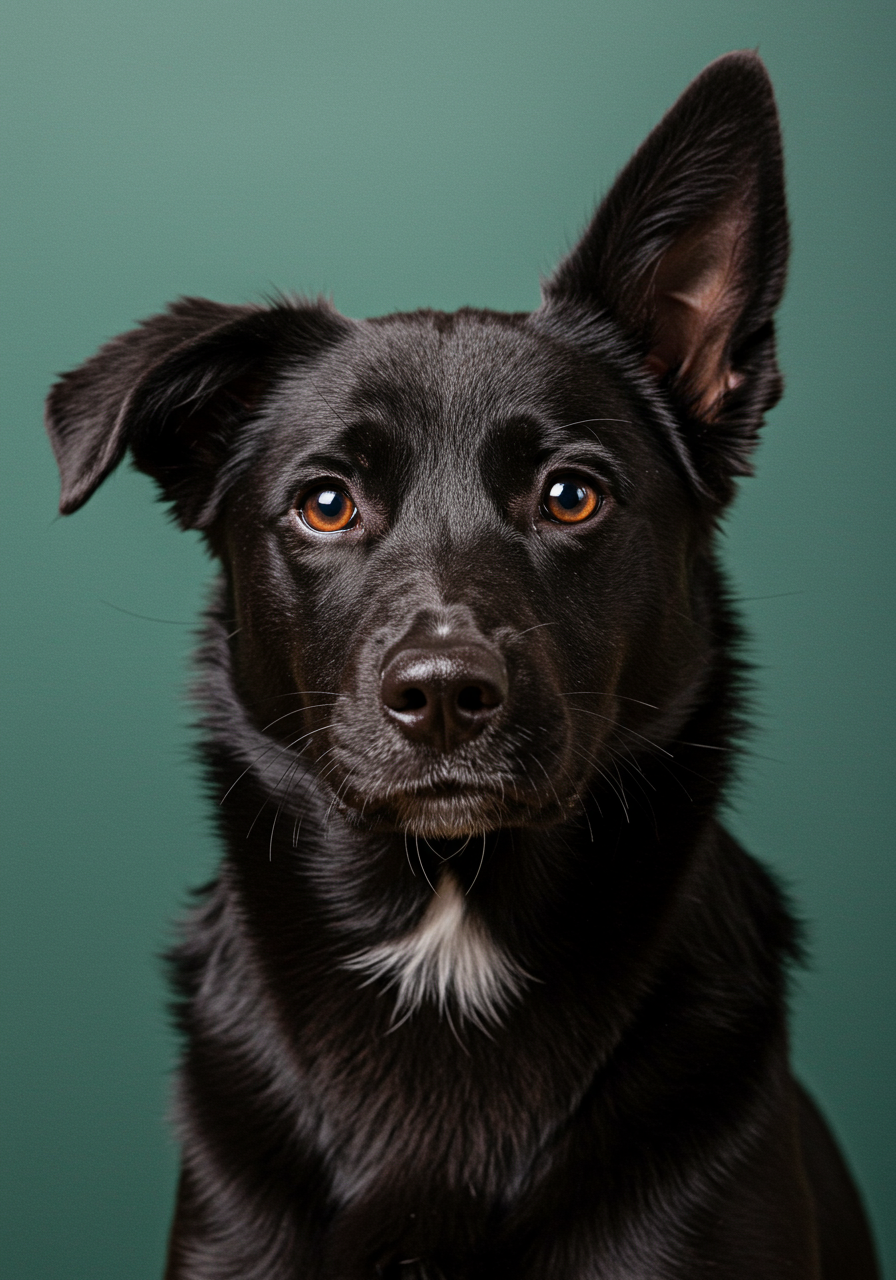 "Okay, fellow dog lovers! As the proud owner of my amazing Blackie, I've learned so much from him, especially about how our furry friends communicate when they're not feeling their best. They're such stoic creatures, often hiding their discomfort. This blog post is a deep dive into those quiet whispers of pain.
It was those almost imperceptible changes that finally clued me in. It turned out he had a minor strain in his back, something that a less observant owner might have missed for days, perhaps even weeks. This experience with Blackie truly underscored for me the immense subtlety of the signs our dogs give us, and how incredibly easy they are to overlook.
The canine dilemma is a profound one. Our dogs, descendants of wild ancestors, are hardwired to hide pain. In the wild, showing weakness makes them vulnerable to predators or ostracization from their pack. While Blackie might spend his days lounging on my sofa rather than hunting, this ancient instinct remains. They can't tell us directly with words what hurts, which means it falls entirely upon us, their devoted humans, to become astute observers and interpreters of their unspoken language.
That's the very purpose of this post. I want to empower every dog owner out there to become a keen, almost intuitive, observer of their dog's well-being. My aim is to provide you with a comprehensive list of subtle indicators, categorized for clarity, so you can recognize these quiet signals across various aspects of your dog's life. Trust me, learning to spot these signs early isn't just about alleviating suffering; it's about potentially preventing minor issues from escalating into major health problems. Early detection can lead to far better outcomes and a quicker path to recovery for our beloved companions.
You might notice less interaction with family members overall. This could manifest as avoiding cuddles, no longer greeting you at the door with his usual exuberance, or even just declining to participate in games or activities he normally loves. It’s a reluctance to join the pack, and it speaks volumes about his internal state.
This can also extend to reluctance to be groomed or handled, even if it's something they once enjoyed. A sudden aversion to other pets or children, even those they previously tolerated or loved, can also stem from pain, as their tolerance levels are significantly lowered when they are uncomfortable.
You might also observe reluctance to lie down, or a noticeable struggle when they try to get up from a lying position. Excessive circling before settling, or even digging at their bed repeatedly without ever seeming satisfied, are other manifestations of this restlessness.
Changes in housetraining, such as accidents inside when your dog has been perfectly house-trained for years, can sometimes be pain-related rather than behavioral. It might be too painful for them to hold it, or to get to their usual outdoor spot in time. Alterations in sleep patterns, whether sleeping significantly more or less, or having difficulty falling or staying asleep, are also important clues.
A very telling sign is hesitation before jumping up or down from furniture, beds, or into a car. My Blackie loves his spot on the sofa, but when he was in discomfort, I noticed he would pause, look at the sofa, and then execute a more measured, less fluid jump than usual. Watch for dragging a paw or scuffing nails on the ground, which can indicate neurological issues or joint pain.
Other signs include a head held low or a stiff neck, suggesting neck or spinal pain. You might observe weight shifting, where they subtly favor one side or limb to alleviate pressure on another. An arched back or a constantly tucked tail can also be signs of discomfort, indicating pain in the spine or hindquarters.
Conversely, some dogs might eat slower than usual, picking at their food rather than finishing it quickly. This might be due to a general malaise or discomfort in their stomach.
You should also note any increased frequency, decreased frequency, or changes in the consistency of their waste. These are all important clues for your veterinarian.
Blackie has taught me that true connection isn't just about the joyful moments and the wagging tail, but also about seeing the flicker of discomfort in his eyes. It's about listening intently to the silence, to the unspoken language of his body and his spirit. It's in these quiet moments of observation that our bond deepens, and we fulfill our role as their devoted caregivers.
Share your experiences in the comments below! What subtle signs have you noticed in your dog that clued you into their discomfort? Your insights can help countless other dog owners.
Let’s commit to regular vet check-ups, even when our dogs seem perfectly fine, as preventative care is just as important as responsive care. Let's ensure our beloved companions live their happiest, most comfortable lives, free from the silent burden of unrecognized pain.
"Okay, fellow dog lovers! As the proud owner of my amazing Blackie, I've learned so much from him, especially about how our furry friends communicate when they're not feeling their best. They're such stoic creatures, often hiding their discomfort. This blog post is a deep dive into those quiet whispers of pain.
The Unspoken Language of Pain
Just last month, Blackie wasn't quite himself. He was still greeting me at the door, still eating his meals, and there wasn't an obvious limp or yelp when I petted him. But my gut told me something was off. It was the way he looked at me, a slight hesitation before he jumped on the couch for our evening cuddle session, something he usually did with boundless enthusiasm.It was those almost imperceptible changes that finally clued me in. It turned out he had a minor strain in his back, something that a less observant owner might have missed for days, perhaps even weeks. This experience with Blackie truly underscored for me the immense subtlety of the signs our dogs give us, and how incredibly easy they are to overlook.
The canine dilemma is a profound one. Our dogs, descendants of wild ancestors, are hardwired to hide pain. In the wild, showing weakness makes them vulnerable to predators or ostracization from their pack. While Blackie might spend his days lounging on my sofa rather than hunting, this ancient instinct remains. They can't tell us directly with words what hurts, which means it falls entirely upon us, their devoted humans, to become astute observers and interpreters of their unspoken language.
That's the very purpose of this post. I want to empower every dog owner out there to become a keen, almost intuitive, observer of their dog's well-being. My aim is to provide you with a comprehensive list of subtle indicators, categorized for clarity, so you can recognize these quiet signals across various aspects of your dog's life. Trust me, learning to spot these signs early isn't just about alleviating suffering; it's about potentially preventing minor issues from escalating into major health problems. Early detection can lead to far better outcomes and a quicker path to recovery for our beloved companions.
Category 1: Behavioral Changes – The Shifts in Their Spirit
When a dog is in pain, one of the first and most telling signs is a shift in their usual behavior. It's not always dramatic; sometimes it's just a subtle alteration in their spirit or how they interact with their world.Withdrawal and Solitude
One of the most common indicators of discomfort is a dog seeking solitude. If your normally social Blackie suddenly starts spending more time by himself, perhaps retreating under furniture, into another room, or even just turning his back to you when you approach, it’s a red flag. He might be trying to find a quiet space to cope with his pain, away from the hustle and bustle of family life.You might notice less interaction with family members overall. This could manifest as avoiding cuddles, no longer greeting you at the door with his usual exuberance, or even just declining to participate in games or activities he normally loves. It’s a reluctance to join the pack, and it speaks volumes about his internal state.
Irritability or Unusual Aggression
A dog in pain can become uncharacteristically irritable or even show aggression. If your normally docile companion suddenly snaps, growls, or shows teeth when you try to touch a certain area, or even just when you approach, it’s a strong signal. This isn't about him becoming a "bad" dog; it’s a desperate attempt to protect himself from further pain.This can also extend to reluctance to be groomed or handled, even if it's something they once enjoyed. A sudden aversion to other pets or children, even those they previously tolerated or loved, can also stem from pain, as their tolerance levels are significantly lowered when they are uncomfortable.
Restlessness and Inability to Get Comfortable
Think about how you feel when you have an ache and can’t find a comfortable position. Dogs experience this too. If your dog is frequently shifting positions, pacing around, or just seems unable to settle down for a nap or a quiet evening, it could be a sign of discomfort. They might be constantly adjusting their weight, trying to find a position that eases their pain.You might also observe reluctance to lie down, or a noticeable struggle when they try to get up from a lying position. Excessive circling before settling, or even digging at their bed repeatedly without ever seeming satisfied, are other manifestations of this restlessness.
Changes in Routine and Habits
Our dogs thrive on routine, and any deviation can be a subtle indicator of trouble. A significant change is a loss of interest in their favorite toys, games, or even their beloved daily walks. If Blackie turns his nose up at a tennis ball, something he normally lives for, I immediately take notice.Changes in housetraining, such as accidents inside when your dog has been perfectly house-trained for years, can sometimes be pain-related rather than behavioral. It might be too painful for them to hold it, or to get to their usual outdoor spot in time. Alterations in sleep patterns, whether sleeping significantly more or less, or having difficulty falling or staying asleep, are also important clues.
Excessive Licking or Chewing at a Specific Spot
While licking can be a normal part of grooming, obsessive attention to a particular paw, joint, flank, or any other area of the body can indicate pain underneath. Owners often mistake this for allergies or skin irritations, and while those are possibilities, it's crucial to consider underlying pain. For example, Blackie once relentlessly licked his front paw, and it turned out he had strained a ligament in his wrist. He was trying to soothe the internal ache by constantly licking the area.Category 2: Posture and Movement – The Body's Quiet Cues
How a dog holds himself and moves through space can reveal a tremendous amount about his internal state. These visual cues are often among the most powerful, even when they are incredibly subtle.Subtle Changes in Gait or Movement
This is often where the most initial signs appear, though they can be easy to dismiss as "just getting old" or "a bit stiff." A slight limp that comes and goes, especially after a period of rest or intense exercise, is a classic example. You might notice stiffness, a reluctance to stretch out or extend their limbs fully, or a general awkwardness in their movement.A very telling sign is hesitation before jumping up or down from furniture, beds, or into a car. My Blackie loves his spot on the sofa, but when he was in discomfort, I noticed he would pause, look at the sofa, and then execute a more measured, less fluid jump than usual. Watch for dragging a paw or scuffing nails on the ground, which can indicate neurological issues or joint pain.
Altered Posture
A dog’s posture can speak volumes about where they are hurting. A hunched back or what vets sometimes call the "prayer position" (front end down, rear end up) is often indicative of abdominal pain, such as pancreatitis. Blackie showed me this once, and it was a critical indicator that something serious was going on internally.Other signs include a head held low or a stiff neck, suggesting neck or spinal pain. You might observe weight shifting, where they subtly favor one side or limb to alleviate pressure on another. An arched back or a constantly tucked tail can also be signs of discomfort, indicating pain in the spine or hindquarters.
Trembling, Shivering, or Shaking
If your dog is trembling, shivering, or shaking when they aren't cold or afraid, it's a serious sign. This can be localized, affecting just one leg or a specific part of the body, or it can be generalized throughout their entire body. It often indicates pain, muscle tension, or rigidity as their body tries to brace against discomfort.Changes in Breathing
While not always a direct sign of musculoskeletal pain, changes in breathing can indicate pain or distress. This includes shallow breathing, or increased panting without any obvious reason like heat or recent exercise. Sometimes, pain can make a dog pant excessively as a stress response, even if they aren't overheating.Category 3: Vocalizations – Beyond the Obvious Yelp
We often associate pain with a loud yelp or scream, and while those are certainly overt signs, our dogs offer far more subtle vocal cues when they're hurting.Increased Whimpering or Whining
Listen for soft, low-level whimpering or whining that doesn't seem to be attention-seeking. This isn't the whine for a treat or a walk; it's a quiet, almost involuntary sound of discomfort. You might notice it especially when they change position, try to get up, or when you gently touch a particular area of their body.Grunting or Groaning
Subtle grunts or groans are common in dogs experiencing chronic pain, particularly in their joints or back. These sounds might occur when they lie down, get up, or even when you pet them in a sensitive spot. It's their body's way of expressing the effort and discomfort involved in simple movements.Excessive or Unexplained Barking or Howling
While barking is normal, excessive or unexplained barking or howling, especially if it's unusual for your dog, can be a sign of distress. They might be vocalizing their pain, loneliness, or frustration stemming from their discomfort.Loud Sighs
We often interpret sighs as contentment, and sometimes they are. However, loud, heavy sighs can also be a sign of discomfort or resignation. If they are accompanied by other subtle pain indicators, a sigh might not be one of relief, but rather one of weariness from constant pain.Category 4: Appetite, Thirst, and Elimination – Internal Indicators
The internal workings of your dog's body can also provide crucial clues about their comfort level.Changes in Appetite
A decreased interest in food or treats is a common sign of illness or pain. They might turn their nose up at their favorite meal, or eat significantly less than usual. If you notice your dog having difficulty chewing, dropping food from their mouth, or seeming reluctant to eat hard kibble, it could point to dental pain or something wrong with their jaw.Conversely, some dogs might eat slower than usual, picking at their food rather than finishing it quickly. This might be due to a general malaise or discomfort in their stomach.
Altered Thirst
While less common as a direct pain indicator, significant changes in thirst – drinking much more or much less than normal – can point to underlying health issues that might be causing discomfort. For example, increased thirst can be a symptom of kidney disease or diabetes, which can lead to generalized pain or discomfort.Changes in Urination or Defecation
Observing your dog’s bathroom habits is vital. Straining to urinate or defecate, or showing signs of discomfort during these acts, can indicate issues like urinary tract infections, constipation, or even orthopedic pain that makes getting into position difficult.You should also note any increased frequency, decreased frequency, or changes in the consistency of their waste. These are all important clues for your veterinarian.
Category 5: Appearance and Self-Grooming – Visual Clues
A dog’s outward appearance and how they groom themselves can also offer visual hints about their internal state of pain or discomfort.Unkempt or Dull Coat
Dogs in pain or feeling unwell often neglect their self-grooming. If your dog's coat starts looking unkempt, dull, matted, or "spiky" in certain areas, it could be because they are too stiff or in too much pain to properly groom themselves. A well-groomed coat is usually a sign of a healthy, comfortable dog.Excessive Shedding
While shedding is normal, a sudden increase in shedding, especially outside of usual shedding seasons, can be a stress response. Pain is a significant stressor for a dog, and excessive shedding can be a visible manifestation of that internal distress.Drooling or Licking Lips Excessively
Beyond just anticipation of food, excessive drooling or repetitive licking of the lips can indicate nausea, stomach upset, or even pain in the mouth or teeth. If Blackie is drooling more than usual and isn't about to get a treat, I know something might be bothering his tummy.Enlarged Pupils or "Worried" Eye Expression
A dog's eyes can be incredibly expressive. When in pain, their pupils might appear enlarged or dilated. Their overall eye expression can look glassy, distant, or have a deeply "worried" or "pained" look that's hard to describe but unmistakable once you've seen it. Their brow might be furrowed, and their eyes might appear small or squinted.What to Do When You Suspect Pain – Blackie's Emergency Protocol
Recognizing these signs is the first crucial step. The next is knowing what to do, and this is where being proactive and swift is absolutely essential. I’ve developed what I call "Blackie's Emergency Protocol" for these situations.Observe and Document
This is your initial, critical task. Start a "pain journal," even if it’s just a note on your phone. Jot down the date, time, and specific behaviors you observe. Note the duration of the behavior and your subjective assessment of its severity. Was it a constant limp or one that came and went? Was the panting occasional or continuous? This detailed information is invaluable for your veterinarian, helping them pinpoint the issue. If you can, take short videos of the behavior. Sometimes, seeing the movement or posture is far more informative than a verbal description.Gently Palpate (If Safe and Familiar with Your Dog)
If your dog is generally tolerant of handling, you can try gently running your hands over their body. Start with areas you know are comfortable for them, and then slowly move to other regions. Observe for any flinching, yelping, muscle guarding, warmth, or swelling. However, always proceed with extreme caution. If your dog shows any signs of aggression – growling, snapping, or trying to bite – stop immediately. Your safety, and your dog’s comfort, are paramount. Never push them if they are clearly uncomfortable or reactive.Contact Your Veterinarian IMMEDIATELY
This cannot be stressed enough: Do *not* wait. Early intervention is always key. Waiting can allow a minor issue to become a serious one, or make a treatable condition more challenging to resolve. When you call your vet, describe *all* your observations, no matter how small or insignificant they might seem. Everything from the subtle change in appetite to the unusual sigh can be a piece of the puzzle. Most importantly, never, ever administer human pain medication to your dog without explicit veterinary instruction. Many common human pain relievers are highly toxic and can be fatal to dogs.Trust Your Gut
Ultimately, you know your dog best. You spend every day with them, observing their quirks, their moods, and their routines. If something feels off, if that nagging voice in your head tells you that your dog isn't quite right, trust it. That intuition, honed by countless hours of companionship, is often your most powerful diagnostic tool. Don't dismiss your feelings; they are valid and crucial indicators that something might require attention.Conclusion – Being Their Voice, Blackie's Legacy
Our dogs depend on us for everything – food, shelter, love, and protection. But perhaps their greatest dependence is on us to be their voice, especially when they are vulnerable and unable to articulate their pain. Recognizing these subtle signs isn't just a clinical exercise; it's a profound act of love and responsibility. It's about truly seeing them, beyond the wagging tail and the happy barks.Blackie has taught me that true connection isn't just about the joyful moments and the wagging tail, but also about seeing the flicker of discomfort in his eyes. It's about listening intently to the silence, to the unspoken language of his body and his spirit. It's in these quiet moments of observation that our bond deepens, and we fulfill our role as their devoted caregivers.
Share your experiences in the comments below! What subtle signs have you noticed in your dog that clued you into their discomfort? Your insights can help countless other dog owners.
Let’s commit to regular vet check-ups, even when our dogs seem perfectly fine, as preventative care is just as important as responsive care. Let's ensure our beloved companions live their happiest, most comfortable lives, free from the silent burden of unrecognized pain.
Comments
Post a Comment