"
 "
"
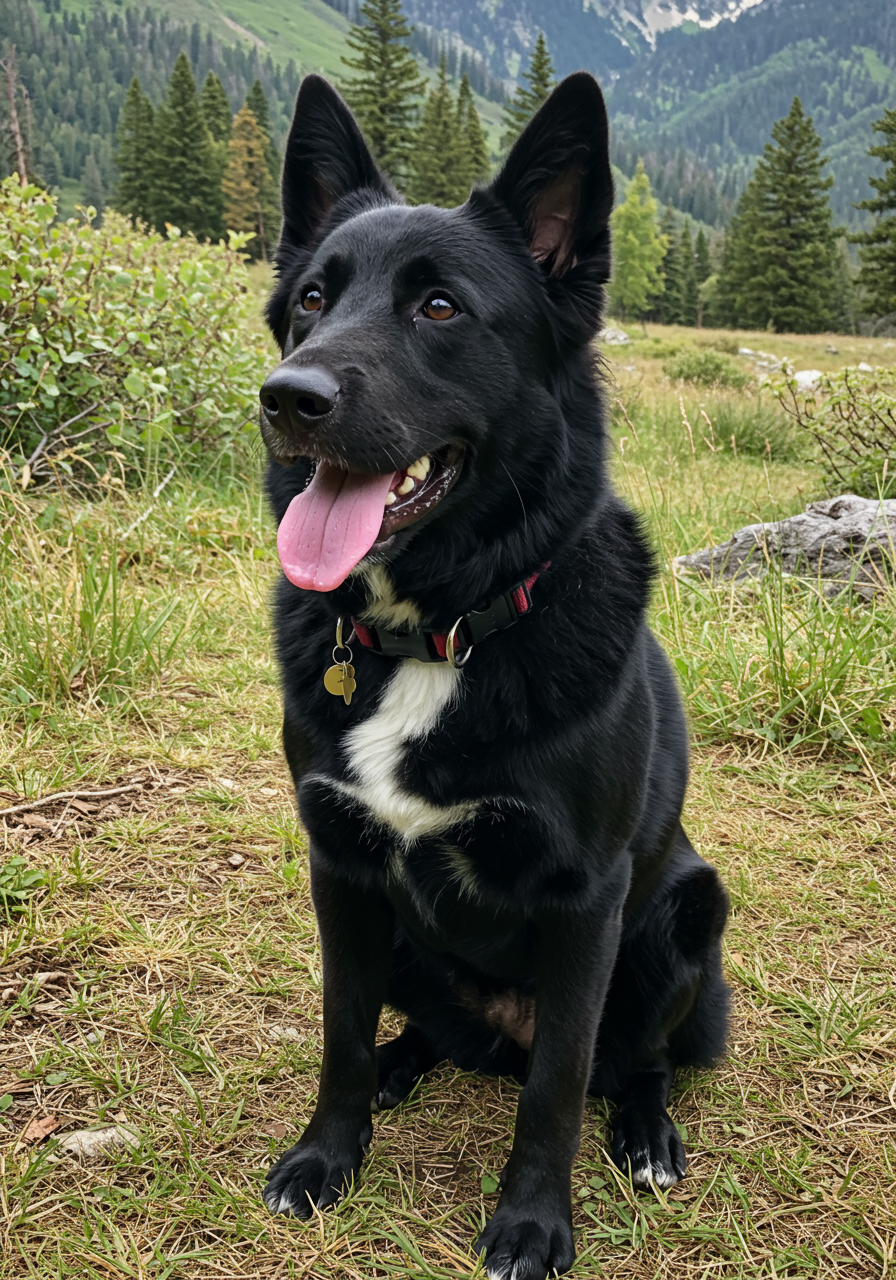
But beneath that incredible enthusiasm, and despite his seemingly endless stamina, those hikes are a serious workout. Blackie is running, jumping, climbing, and navigating uneven terrain for hours on end. He is working his muscles, joints, and cardiovascular system just as intensely as a human athlete would during a long run or intense training session. He gives it his all, every single time.
This is precisely why post-workout cool-downs are not just a luxury for our canine companions, but an absolute necessity, especially after a particularly challenging or long "big hike." Just as we wouldn't finish a marathon and immediately plop onto the couch, we shouldn't expect our dogs to either. Their bodies need a thoughtful transition to recovery.
Today, I want to pull back the curtain on Blackie's tried-and-true cool-down protocol. This is a routine we have developed through years of shared adventures, always with his comfort, safety, and long-term health in mind. My promise to you is to share practical, actionable steps that have made a world of difference in Blackie's recovery, helping him bounce back faster and stronger for our next adventure.
A quick but important disclaimer: while this is our personal routine and works wonderfully for Blackie, every dog is unique. Always consult your veterinarian for personalized advice, especially if your dog has pre-existing health conditions or specific concerns. This information is for general guidance and sharing our experience.
1.
**The Gradual Slow-Down (The "Blackie Shuffle")**
We never, ever end a hike at full tilt. The last five to ten minutes of our trail time are always dedicated to a slow, leisurely walk. This allows Blackie's heart rate and breathing to gently come down, and his muscles to begin their transition from working hard to relaxing. I will often put him on a shorter lead during this time, gently encouraging him to reduce his pace and simply sniff around calmly. It is our way of telling his body, "Okay, the intense part is over, now let us cool off."
2.
**Hydration Hero**
Even if Blackie has had water breaks during the hike, I always offer him fresh, cool water immediately before we get back in the car or as soon as we reach the trailhead. Dehydration can exacerbate muscle soreness and fatigue. Blackie has his own collapsible bowl that clips right onto my backpack, making it super easy to ensure he has access to water whenever he needs it. It is always the first thing I offer once we start the cool-down phase.
3.
**Initial Check-In**
Before he hops into the car, I perform a quick visual and tactile scan. I am looking for any obvious limping, excessive panting that does not subside quickly, unusual tenderness if I lightly touch his legs, or any immediate paw pad issues. It is a quick overview to catch any potential problems early.
4.
**Comfortable Car Ride Home**
The car ride home is the first phase of true relaxation. I ensure the car's interior is cool and comfortable, especially on warmer days. Blackie is secured in his dog-specific seatbelt and harness, or occasionally his travel crate, which prevents him from moving around excessively and potentially tweaking a muscle. I keep the music low, or off entirely, allowing him a quiet, calm space to decompress from the excitement of the hike. Often, he is asleep before we even leave the parking lot.
1.
**Unlimited Fresh Water Access**
As soon as we are home, Blackie's main water bowl, always kept full of fresh water, is prominently available. He usually takes another long drink, even if he drank on the trail. Constant hydration is key to recovery.
2.
**The Thorough Inspection and Grooming Session**
This is non-negotiable after every hike, big or small.
* **Paw Check:** This is the most critical part. I meticulously check between his toes and paw pads for any cuts, thorns, foxtails, burrs, or embedded debris. I look for redness, swelling, or tenderness. After a thorough check, I apply a natural paw balm to his pads to moisturize and protect them, especially if they feel dry or cracked from the rough terrain. Healthy paws are happy paws.
* **Coat Check:** I run my hands through his entire coat, feeling for any burrs, twigs, or ticks that might have latched on. I pay special attention to his ears, armpits, groin area, and around his tail – common hiding spots for unwanted passengers.
* **Muscle Palpation:** Gently, with a light touch, I run my hands over his major muscle groups – his shoulders, back, and especially his hind legs. I am feeling for any unusual heat, swelling, or areas where he flinches, which could indicate soreness or a potential strain. This helps me identify any trouble spots early on.
3.
**Gentle Wipe-Down/Brush (Optional, but Recommended)**
If Blackie is particularly muddy or dusty, I will give him a quick wipe-down with a damp towel. Sometimes, a gentle brush helps remove loose hair, dirt, and promotes circulation, which is always a bonus for recovery. It is also a bonding moment that reinforces the calm energy we are trying to establish.
4.
**The "Chill Out" Zone**
I immediately direct Blackie to his comfy orthopedic bed, which is located in a quiet, cool spot away from household foot traffic. The goal is to avoid any immediate vigorous play or stimulating activities that could re-exert his tired muscles. This is his designated relaxation station.
5.
**The Post-Hike Meal (Strategic Feeding)**
While his appetite is usually ravenous after a hike, I always wait at least 30 to 60 minutes before offering Blackie his post-hike meal. For deep-chested breeds, like Blackie, feeding too soon after intense exercise can increase the risk of bloat, a life-threatening condition. Giving his system time to settle ensures safer digestion. When I do feed him, it is usually a slightly smaller, easily digestible meal to avoid overwhelming his system. Sometimes I will add a little plain yogurt or a vet-approved probiotic to aid digestion.
6.
**Encouraging Rest and Naps**
After his meal and inspection, the house becomes a quiet zone. I limit interruptions, avoid loud noises, and encourage Blackie to nap. He usually finds his favorite sunny spot or snuggles into his bed and crashes hard. Uninterrupted sleep is crucial for muscle repair and overall recovery.
1.
**Gentle Massage**
Once Blackie is relaxed, I sometimes give him a gentle massage. I use long, slow strokes along his major muscle groups – his neck, shoulders, back, and legs. The key is to be gentle and observe his reactions. If he seems to enjoy it, I continue; if he shows any discomfort, I stop immediately. This helps improve blood flow, further relax his muscles, and can help me identify any areas of persistent soreness. Blackie usually melts into the floor during these sessions, sighing contentedly.
2.
**Passive Range of Motion (PROM) Stretches (VET-APPROVED ONLY!)**
This is a crucial caveat: *Never* attempt passive range of motion stretches without first consulting your veterinarian or a certified canine physical therapist. Improper stretching can cause serious injury. If applicable, as demonstrated by our vet for Blackie, I might gently extend and flex one of his legs, holding it at the point of natural resistance for a few seconds. This is always done slowly, within his comfortable range of motion, and *never* forced. Our vet showed us how to do this safely after a minor strain years ago, and it has been a gentle way to maintain his flexibility under expert guidance.
3.
**Warm or Cool Compress (For Localized Soreness - VET-CONSULTED)**
If I notice a specific area of mild soreness during his muscle palpation, and after consulting our vet, I might apply a warm compress for 10-15 minutes to increase blood flow and relax the muscle, or a cool compress to reduce inflammation. Again, this is done with extreme caution and only if previously advised by our vet for a specific issue.
4.
**Joint Supplements**
As part of Blackie's long-term health strategy, and under the recommendation of our vet, he takes a daily joint supplement containing glucosamine and chondroitin. While not a direct cool-down step, it is an essential component of his overall joint health, helping to maintain cartilage and reduce inflammation, which indirectly aids in faster recovery from physical exertion.
For Blackie and me, these cool-down rituals are as much a part of our adventure as the hike itself. They ensure that his body is ready for the next challenge, and that he remains the happy, energetic companion I cherish. It is my commitment to him, ensuring he can explore trails and chase squirrels for many, many more years to come.
What are your dog's favorite post-hike rituals? Do you have any cool-down tips for Blackie and me that you have found particularly effective? Share your experiences and insights in the comments below! I love learning from other dedicated dog owners.
Happy trails, happy paws, and here's to many more adventures with our beloved furry co-pilots!
"Pawsitive Adventures with Blackie
Happy Paws, Happy Blackie: Our Post-Hike Cool-Down Routine for Optimal RecoveryI. Introduction: The Joy of the Journey, and the Need for a Smooth Landing
There’s nothing quite like the boundless energy of Blackie when he knows a big hike is on the horizon. His tail becomes a blur, his happy barks echo through the house, and he practically vibrates with anticipation at the sight of his harness and leash. He lives for those moments on the trail, nose to the ground, ears perked, discovering new scents and conquering every incline with an almost unbelievable enthusiasm. It’s pure, unadulterated joy, and it is truly contagious.But beneath that incredible enthusiasm, and despite his seemingly endless stamina, those hikes are a serious workout. Blackie is running, jumping, climbing, and navigating uneven terrain for hours on end. He is working his muscles, joints, and cardiovascular system just as intensely as a human athlete would during a long run or intense training session. He gives it his all, every single time.
This is precisely why post-workout cool-downs are not just a luxury for our canine companions, but an absolute necessity, especially after a particularly challenging or long "big hike." Just as we wouldn't finish a marathon and immediately plop onto the couch, we shouldn't expect our dogs to either. Their bodies need a thoughtful transition to recovery.
Today, I want to pull back the curtain on Blackie's tried-and-true cool-down protocol. This is a routine we have developed through years of shared adventures, always with his comfort, safety, and long-term health in mind. My promise to you is to share practical, actionable steps that have made a world of difference in Blackie's recovery, helping him bounce back faster and stronger for our next adventure.
A quick but important disclaimer: while this is our personal routine and works wonderfully for Blackie, every dog is unique. Always consult your veterinarian for personalized advice, especially if your dog has pre-existing health conditions or specific concerns. This information is for general guidance and sharing our experience.
II. Why Cool-Downs Aren't Just a "Nice-to-Have" for Dogs (Why Blackie Needs Them Too!)
You might be thinking, "My dog just collapses on the couch and is fine!" And while many dogs appear to recover quickly, there is a lot happening beneath the surface. A proper cool-down strategy is crucial for several key physiological reasons.A. Preventing Soreness and Stiffness
Just like us, active dogs experience lactic acid build-up in their muscles during intense exercise. Think of that burning sensation you get in your legs during a sprint; it is similar for them. Lactic acid is a byproduct of energy production without sufficient oxygen, and it contributes to that "I cannot move" feeling the next day. A gradual cool-down helps the body efficiently flush out these metabolic waste products, reducing the likelihood and severity of post-exercise muscle soreness and stiffness. For Blackie, this means less "ouch" and more "let's play" the morning after a long trek.B. Reducing Risk of Injury
Abruptly stopping intense activity can shock the system. Muscles, tendons, and ligaments are warm and elastic during exercise; suddenly stopping can lead to them tightening up too quickly, increasing the risk of strains, sprains, or even microscopic tears. A slow cool-down allows these tissues to gradually return to their resting state, improving flexibility and reducing the chance of injury. This also gives me time to check Blackie's paw pads for any hidden cuts or abrasions before they become a bigger problem.C. Aiding Muscle Repair and Growth
During exercise, tiny tears occur in muscle fibers. Recovery is when these fibers repair and grow back stronger. Proper blood flow is paramount for this process, delivering vital nutrients to the muscles and carrying away waste products. A cool-down period maintains elevated blood flow for a longer duration, optimizing the recovery process and preparing Blackie's muscles for future adventures. It is an investment in his long-term athletic ability.D. Regulating Body Temperature
Dogs, especially those with thicker coats like Blackie, can overheat quickly during intense activity. A cool-down helps their body temperature return to normal gradually and safely. Instead of a sudden drop that might lead to shivering or discomfort, the controlled cool-down allows their system to rebalance without stress.E. Mental Wind-Down
Hikes are incredibly stimulating for a dog, with a constant barrage of sights, sounds, and smells. This mental exertion, while positive, can also be tiring. A structured cool-down routine provides a mental transition, helping Blackie wind down from a state of high arousal to one of calm relaxation. This reduces overall stress and helps him settle down more effectively once we are home.III. Blackie's Post-Hike Recovery Protocol: A Step-by-Step Guide
This is where the rubber meets the road, or rather, where Blackie's paws hit the recovery mat. Our routine is systematic, thoughtful, and has been fine-tuned over many years to ensure his optimal recovery.A. Immediate Post-Hike (On the Trail / In the Car)
1.
**The Gradual Slow-Down (The "Blackie Shuffle")**
We never, ever end a hike at full tilt. The last five to ten minutes of our trail time are always dedicated to a slow, leisurely walk. This allows Blackie's heart rate and breathing to gently come down, and his muscles to begin their transition from working hard to relaxing. I will often put him on a shorter lead during this time, gently encouraging him to reduce his pace and simply sniff around calmly. It is our way of telling his body, "Okay, the intense part is over, now let us cool off."
2.
**Hydration Hero**
Even if Blackie has had water breaks during the hike, I always offer him fresh, cool water immediately before we get back in the car or as soon as we reach the trailhead. Dehydration can exacerbate muscle soreness and fatigue. Blackie has his own collapsible bowl that clips right onto my backpack, making it super easy to ensure he has access to water whenever he needs it. It is always the first thing I offer once we start the cool-down phase.
3.
**Initial Check-In**
Before he hops into the car, I perform a quick visual and tactile scan. I am looking for any obvious limping, excessive panting that does not subside quickly, unusual tenderness if I lightly touch his legs, or any immediate paw pad issues. It is a quick overview to catch any potential problems early.
4.
**Comfortable Car Ride Home**
The car ride home is the first phase of true relaxation. I ensure the car's interior is cool and comfortable, especially on warmer days. Blackie is secured in his dog-specific seatbelt and harness, or occasionally his travel crate, which prevents him from moving around excessively and potentially tweaking a muscle. I keep the music low, or off entirely, allowing him a quiet, calm space to decompress from the excitement of the hike. Often, he is asleep before we even leave the parking lot.
B. Back at Home: The "Relaxation Station" Routine
Once we are through the door, the real recovery process begins. This is where we create a truly conducive environment for healing and rest.1.
**Unlimited Fresh Water Access**
As soon as we are home, Blackie's main water bowl, always kept full of fresh water, is prominently available. He usually takes another long drink, even if he drank on the trail. Constant hydration is key to recovery.
2.
**The Thorough Inspection and Grooming Session**
This is non-negotiable after every hike, big or small.
* **Paw Check:** This is the most critical part. I meticulously check between his toes and paw pads for any cuts, thorns, foxtails, burrs, or embedded debris. I look for redness, swelling, or tenderness. After a thorough check, I apply a natural paw balm to his pads to moisturize and protect them, especially if they feel dry or cracked from the rough terrain. Healthy paws are happy paws.
* **Coat Check:** I run my hands through his entire coat, feeling for any burrs, twigs, or ticks that might have latched on. I pay special attention to his ears, armpits, groin area, and around his tail – common hiding spots for unwanted passengers.
* **Muscle Palpation:** Gently, with a light touch, I run my hands over his major muscle groups – his shoulders, back, and especially his hind legs. I am feeling for any unusual heat, swelling, or areas where he flinches, which could indicate soreness or a potential strain. This helps me identify any trouble spots early on.
3.
**Gentle Wipe-Down/Brush (Optional, but Recommended)**
If Blackie is particularly muddy or dusty, I will give him a quick wipe-down with a damp towel. Sometimes, a gentle brush helps remove loose hair, dirt, and promotes circulation, which is always a bonus for recovery. It is also a bonding moment that reinforces the calm energy we are trying to establish.
4.
**The "Chill Out" Zone**
I immediately direct Blackie to his comfy orthopedic bed, which is located in a quiet, cool spot away from household foot traffic. The goal is to avoid any immediate vigorous play or stimulating activities that could re-exert his tired muscles. This is his designated relaxation station.
5.
**The Post-Hike Meal (Strategic Feeding)**
While his appetite is usually ravenous after a hike, I always wait at least 30 to 60 minutes before offering Blackie his post-hike meal. For deep-chested breeds, like Blackie, feeding too soon after intense exercise can increase the risk of bloat, a life-threatening condition. Giving his system time to settle ensures safer digestion. When I do feed him, it is usually a slightly smaller, easily digestible meal to avoid overwhelming his system. Sometimes I will add a little plain yogurt or a vet-approved probiotic to aid digestion.
6.
**Encouraging Rest and Naps**
After his meal and inspection, the house becomes a quiet zone. I limit interruptions, avoid loud noises, and encourage Blackie to nap. He usually finds his favorite sunny spot or snuggles into his bed and crashes hard. Uninterrupted sleep is crucial for muscle repair and overall recovery.
C. Advanced Recovery and Maintenance (Optional, but Beneficial)
For those extra challenging hikes, or as a regular maintenance practice, we sometimes incorporate these additional steps.1.
**Gentle Massage**
Once Blackie is relaxed, I sometimes give him a gentle massage. I use long, slow strokes along his major muscle groups – his neck, shoulders, back, and legs. The key is to be gentle and observe his reactions. If he seems to enjoy it, I continue; if he shows any discomfort, I stop immediately. This helps improve blood flow, further relax his muscles, and can help me identify any areas of persistent soreness. Blackie usually melts into the floor during these sessions, sighing contentedly.
2.
**Passive Range of Motion (PROM) Stretches (VET-APPROVED ONLY!)**
This is a crucial caveat: *Never* attempt passive range of motion stretches without first consulting your veterinarian or a certified canine physical therapist. Improper stretching can cause serious injury. If applicable, as demonstrated by our vet for Blackie, I might gently extend and flex one of his legs, holding it at the point of natural resistance for a few seconds. This is always done slowly, within his comfortable range of motion, and *never* forced. Our vet showed us how to do this safely after a minor strain years ago, and it has been a gentle way to maintain his flexibility under expert guidance.
3.
**Warm or Cool Compress (For Localized Soreness - VET-CONSULTED)**
If I notice a specific area of mild soreness during his muscle palpation, and after consulting our vet, I might apply a warm compress for 10-15 minutes to increase blood flow and relax the muscle, or a cool compress to reduce inflammation. Again, this is done with extreme caution and only if previously advised by our vet for a specific issue.
4.
**Joint Supplements**
As part of Blackie's long-term health strategy, and under the recommendation of our vet, he takes a daily joint supplement containing glucosamine and chondroitin. While not a direct cool-down step, it is an essential component of his overall joint health, helping to maintain cartilage and reduce inflammation, which indirectly aids in faster recovery from physical exertion.
IV. What NOT to Do: Common Post-Hike Pitfalls to Avoid
Just as important as knowing what to do, is knowing what to avoid. These common mistakes can hinder recovery and even lead to health issues.A. Overfeeding Immediately
As mentioned, feeding a large meal right after intense exercise, especially for deep-chested breeds, carries the risk of bloat, a life-threatening emergency. Always allow ample time for their system to settle.B. Intense Play or "Zoomies"
Resist the urge to engage in vigorous fetch or a wrestling match when you get home. Their muscles are already tired and potentially vulnerable. Further intense activity can lead to strains, pulls, or other injuries. Encourage quiet time and rest.C. Ignoring Warning Signs
Do not dismiss limping, excessive licking of a paw, whining, loss of appetite, persistent lethargy that lasts more than a few hours, or any other unusual behavior. These are your dog's ways of telling you something is wrong.D. Forcing Activity or Stretches
Never force your dog to walk, run, or stretch if they are resisting or showing signs of pain. This can exacerbate an injury or cause a new one. Listen to their body language.E. Neglecting Paw Care
Ignoring paw checks can lead to cracked pads, infections from embedded debris, or painful blisters. Paws are their primary mode of transport, and neglecting them is like a runner ignoring their feet.V. Monitoring Blackie and Adjusting the Routine
The key to an effective cool-down is constant observation and flexibility.A. Know Your Dog
Every dog has a different baseline for recovery. I have spent years learning Blackie's "normal" post-hike demeanor – how quickly he recovers, how much he sleeps, his appetite. This allows me to quickly identify when something is off or when he is struggling more than usual. Observe your dog's typical recovery pattern.B. Keep a Mental Log
After each hike, I mentally note how Blackie recovered. Was it a short, easy walk or a grueling mountain climb? How did he feel the next day? This helps me understand which types of hikes require more intensive cool-down efforts or if we need to scale back our adventures slightly.C. When to Seek Professional Advice
If Blackie exhibits any persistent lameness, unexplained pain, swelling, extreme lethargy, or other concerning symptoms that do not resolve with rest and our cool-down routine, I do not hesitate to call our veterinarian. Early intervention is always best.VI. Conclusion: Investing in Blackie's Long-Term Health and Happiness
Implementing a dedicated post-hike cool-down routine is more than just a series of steps; it is a profound investment in your dog's long-term health, happiness, and longevity. It is about understanding their needs as athletes and providing the care they deserve after they give their all. By taking these thoughtful steps, we are not only preventing soreness and injury but also fostering a deeper bond built on trust and care.For Blackie and me, these cool-down rituals are as much a part of our adventure as the hike itself. They ensure that his body is ready for the next challenge, and that he remains the happy, energetic companion I cherish. It is my commitment to him, ensuring he can explore trails and chase squirrels for many, many more years to come.
What are your dog's favorite post-hike rituals? Do you have any cool-down tips for Blackie and me that you have found particularly effective? Share your experiences and insights in the comments below! I love learning from other dedicated dog owners.
Happy trails, happy paws, and here's to many more adventures with our beloved furry co-pilots!
Comments
Post a Comment