"
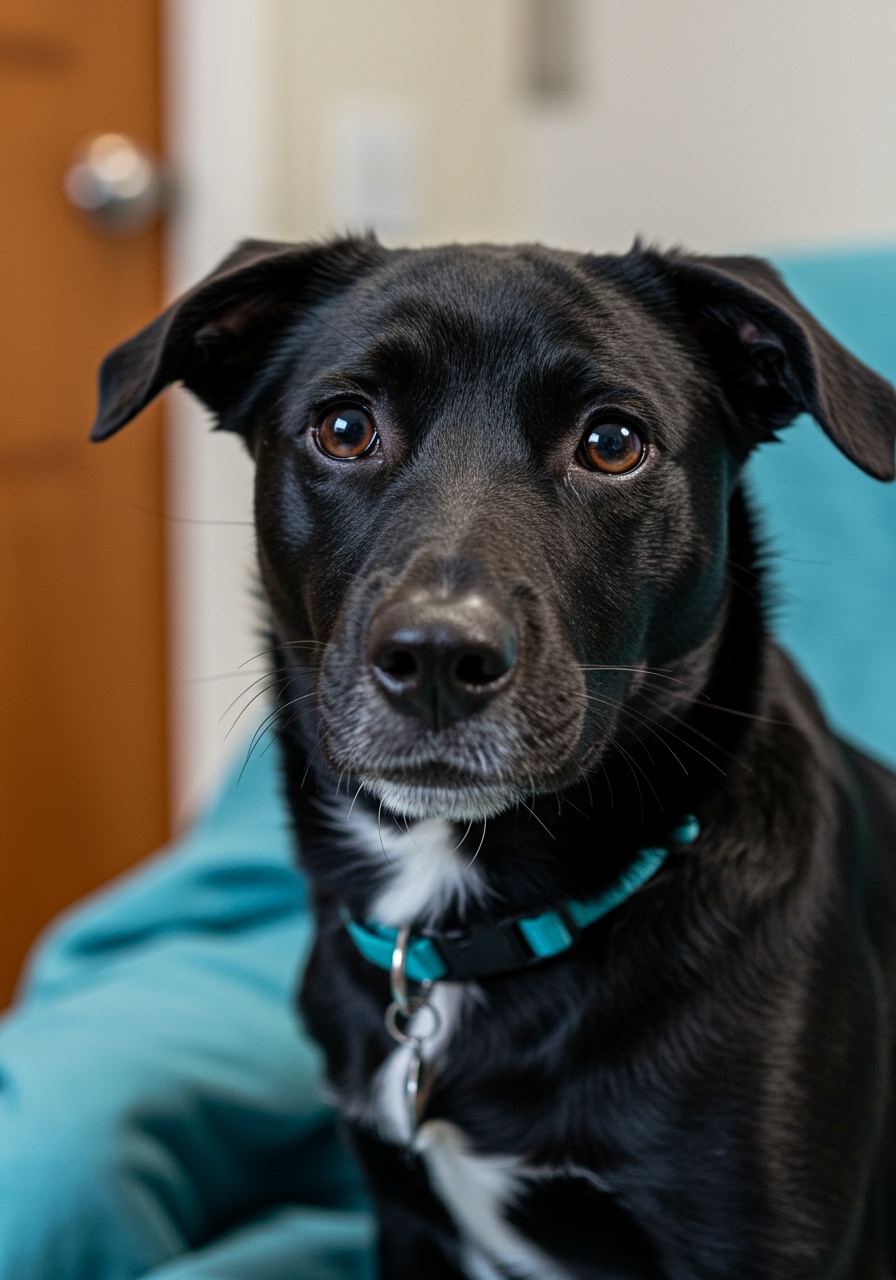 "By [Your Name], Blackie's Human
He is the kind of dog who greets every day with unbridled enthusiasm, a true embodiment of joy and loyalty. His boundless energy and playful nips mean he is always a presence, and his absence would be profoundly felt. He is more than just a pet; he is a furry family member, my constant companion on walks and cozy evenings on the couch.
After a quick vet visit and a biopsy, the news was thankfully good: a benign lipoma. While the diagnosis offered immense relief, knowing it wasn't anything more sinister, the word "surgery" for my boy felt anything but minor. Even a simple procedure carries inherent risks, and the thought of Blackie going under anesthesia filled me with dread.
This post isn't just about Blackie's lump; it is about navigating the pre-op jitters, the post-op care, and the emotional rollercoaster of a pet's recovery. I hope sharing our journey helps other pet parents feel a little less alone, and provides some practical advice for when their own beloved companion needs a little extra care. It is a testament to the resilience of our pets and the dedication we, as their humans, pour into their well-being.
Understanding the pre-op instructions was crucial; this included strict fasting guidelines and whether any of his regular medications needed to be stopped or adjusted before surgery. I took diligent notes, even recording some of the explanations on my phone so I could refer back to them later when my mind felt less cluttered with worry. It’s easy to forget details when you are stressed.
Preparing the home environment became my mission in the days leading up to the surgery. I wanted Blackie to come home to a sanctuary, a quiet, comfortable, and easily accessible "recovery zone" where he could rest undisturbed. I cleared out a corner of our living room, setting up his softest dog bed with an extra layer of old, easily washable sheets.
I also gathered all the necessary supplies: a freshly cleaned, comfortable bed that was easy to keep pristine, a medication schedule chart meticulously organized by time and dosage, plenty of fresh water, and some easy-to-digest canned food that the vet recommended for his first post-op meal. And, of course, the dreaded e-collar – the “cone of shame” – was retrieved from its storage, ready and waiting. Old towels and cleaning supplies were also kept handy, just in case of any accidents.
Mentally, the days leading up to the surgery were a blur of nervous energy. The night before was filled with pacing and silent prayers. I tried my best to keep my routine normal for Blackie, showering him with extra cuddles and play, hoping to keep him oblivious to the impending change. But inside, my stomach was in knots, and sleep felt like an impossible luxury.
The drive home was eerily quiet, the usual happy sounds of Blackie panting in the back replaced by a deafening silence. The hours that followed were agonizing. I tried to distract myself with work, with household chores, but my phone was never far from my hand, my eyes constantly darting to the screen. Every phone buzz sent my heart leaping, hoping it was the vet and not just a spam call.
The silence of the house was deafening without Blackie’s usual happy thumps and playful nudges. I tried to focus on something else, anything else, but my mind kept drifting to him, picturing him bravely undergoing the procedure. It felt like an eternity.
Then, the blessed call came. It was our vet, her voice calm and reassuring, confirming that Blackie's surgery was successful and he was waking up from anesthesia. The immense wave of relief that washed over me was almost overwhelming, tears welling up in my eyes as I finally allowed myself to breathe deeply again.
The pick-up was a mix of joy and concern. When I saw Blackie, he was groggy and wobbly, clearly still under the effects of the anesthesia. His usually bright eyes were a little glazed, and he moved with a slow, deliberate "post-anesthesia wobble." The incision site, neatly stitched, was visible beneath his fur, and he was already wearing the infamous "Cone of Shame." The vet tech gave me a detailed rundown of his post-op instructions, reiterating the importance of vigilant care and explaining every medication and observation I needed to make. It was a lot to take in, but I listened intently, asking clarifying questions. Blackie, meanwhile, was mostly just confused by the cone, bumping into everything as we navigated our way out.
Once inside, I immediately set him up in his pre-prepared recovery zone. His soft bed, fresh water, and quiet surroundings provided a comforting space. He mostly just wanted to lay down and rest, which was exactly what he needed. I made sure to place his water bowl and a small amount of food within easy reach, so he wouldn’t have to move much.
Monitoring his vital signs and the incision site became my constant vigil. I observed his breathing, making sure it was even and unlabored. I checked his alertness periodically, looking for signs of returning awareness. His gum color was also something I watched, ensuring they remained a healthy pink. The first gentle check of the incision site was brief and purely visual; I avoided touching it unless explicitly instructed by the vet. I knew to expect some redness and mild swelling, but I also made a mental note of what would be concerning, such as excessive bleeding, any pus, or the incision gaping open.
Medication administration was absolutely paramount during these first crucial hours. The pain medication schedule was the highest priority; staying on top of it was key to keeping Blackie comfortable and allowing him to rest and heal. He was also prescribed antibiotics to prevent infection. Giving pills can sometimes be a battle, but I found success using pill pockets, a small dab of peanut butter, or wrapping them in a sliver of cheese. It was worth the effort to ensure he got every dose.
Eating and drinking also needed careful management. I started with small amounts of water, offering it frequently to ensure he stayed hydrated. After a few hours, when he seemed a little more settled, I offered a small portion of the bland, vet-recommended food. He was a bit slow to eat initially, which is common post-anesthesia, but I kept an eye out for prolonged loss of appetite, knowing that would be a reason to call the vet.
Potty breaks were slow, supervised affairs, always on-leash, even in our own yard. Blackie was still groggy and disoriented, so keeping him steady and preventing any sudden movements was essential. He shuffled a bit, looking confused, but I praised him enthusiastically every time he successfully relieved himself, reinforcing the positive behavior.
Managing the E-collar, the infamous "Cone of Shame," was probably the biggest challenge for both Blackie and me. He hated it! He would bump into doorways, struggle to eat and drink, and generally look miserable. But I knew its importance: keeping it on *at all times* was absolutely vital to prevent him from licking or chewing at his incision, which could lead to infection or reopening the wound. We tried a soft cone initially, but he was too clever and still managed to get to his incision, so we went back to the traditional plastic cone. For some dogs, inflatable collars or surgical recovery suits can be good alternatives, but always get your vet’s approval first.
My role during this period was one of constant supervision and comfort. I was exhausted, sleeping lightly and waking at every rustle Blackie made. It was a demanding time, but my commitment to Blackie's well-being overrode my own fatigue. His recovery was all that mattered.
Incision care became a precise daily ritual. Each day, I would gently lift his cone for a brief moment to visually inspect the wound. I even took a few photos for comparison, which proved incredibly helpful for tracking progress and for showing to the vet if I had concerns. The key was keeping it clean and dry, exactly as instructed by our vet; no rubbing, no ointments, just gentle observation. I meticulously watched for any signs of infection: increased redness, swelling, warmth around the site, any discharge, or a foul odor. Knowing what to look for gave me a sense of control and preparedness.
Activity restriction was probably the most challenging aspect for Blackie, a dog used to chasing squirrels and zooming around the yard. Strict limits were enforced: no running, no jumping, no stairs (we carried him up and down where possible), and absolutely no rough play with other dogs. This meant his usual trips to the dog park were off-limits for a while. It was tough to keep his spirits up without tiring him out physically.
Creative ways to keep Blackie mentally stimulated became essential. Puzzle toys filled with kibble provided a good mental workout, and gentle training sessions focusing on basic commands kept his mind engaged without strenuous activity. Quiet cuddles on the couch were also a big hit, providing comfort and bonding time. Blackie, usually a park fiend, had to settle for very short, on-leash walks around the block, just enough for potty breaks and a bit of fresh air. It was a stark contrast to his usual routine, and I could tell he missed his freedom.
Dealing with "cabin fever" was a real thing, both for Blackie and for me. Blackie’s frustration with the cone was evident in his sighs and occasional attempts to rub it off. My own stress from constant vigilance, worrying about him licking his stitches, and the lack of normal dog-owner activities was considerable. The importance of patience became a daily mantra. Every small step forward, every day without incident, was a victory worth celebrating. We were in this together, and my unwavering presence was his greatest comfort.
During this visit, we also discussed the next steps for gradually increasing his activity. The vet provided a clear timeline and guidelines, emphasizing a slow and steady approach. We started by slowly increasing the duration of our on-leash walks, adding a few minutes each day. I constantly monitored Blackie for any signs of lameness, discomfort, or excessive panting that might indicate he was doing too much too soon.
The rules about no jumping, no dog park visits, and no strenuous activity remained in place for several more weeks, until Blackie was fully cleared by the vet. It was tempting to let him off leash for a good run, seeing his energy return, but I held firm, knowing that pushing him too quickly could jeopardize his entire recovery. Patience was still the name of the game, even as he visibly regained his strength.
Final healing truly meant seeing Blackie return to his "new normal" – which, thankfully, was a lot like his old normal. The incision site gradually faded, becoming a thin, silvery line, and his fur slowly started to grow back, obscuring the scar completely. With each passing day, Blackie regained more of his full energy and his wonderfully silly personality. Celebrating these small victories – a longer walk without a limp, a full day without needing medication, the first time he looked truly comfortable in his own skin again – were monumental for me. It was a journey, and we had reached the happy destination.
* **Prepare Ahead:**
Have your "recovery zone" set up and all necessary supplies gathered *before* surgery day. This includes comfortable bedding, medications, cleaning supplies, and especially the e-collar. The less you have to scramble when your pet is groggy and needs your full attention, the better.
* **Communication is Key:**
Never hesitate to call your vet with *any* questions or concerns, no matter how small they seem. It is always better to be overly cautious than to let a potential problem escalate. Your vet team is there to support you and your pet.
* **Patience is a Virtue:**
Recovery is rarely a linear process. There will be good days where your pet seems almost back to normal, and then there might be days where they seem more uncomfortable or frustrated. Embrace the ups and downs, and remember that healing takes time.
* **The Cone is Your Friend:**
While the "Cone of Shame" looks awful and can be frustrating for both you and your pet, it is absolutely essential for preventing licking and chewing at the incision site. This protective measure is critical for proper healing and preventing infection. Explore different types of cones (plastic, soft, inflatable) to find what works best, but ensure it is worn consistently.
* **Trust Your Gut:**
You know your dog best. If something feels off – a change in appetite, unusual lethargy, a strange odor from the incision – trust your instincts. Do not hesitate to contact your vet if you have a gut feeling that something isn’t right.
* **Do Not Forget Self-Care:**
Being a vigilant pet parent during recovery is stressful and exhausting. Remember to take care of yourself too. Get rest when you can, ask for help from family or friends, and step away for a few moments if you feel overwhelmed. A rested owner can provide better care.
* **Celebrate Small Wins:**
Every day Blackie seemed a little better, every meal he ate with enthusiasm, every successful, calm potty break – these were huge victories for me. Acknowledging these small milestones helps maintain a positive outlook during a challenging time.
Today, Blackie is back to his usual self – chasing squirrels with gusto, hogging the couch with absolute authority, and showering me with unconditional love. The scar from his lipoma removal is barely visible, a fading reminder of a challenging but conquerable journey. His playful spirit is fully restored, and his tail wags with the same boundless enthusiasm he always had.
If your furry friend is facing surgery, know that it is absolutely okay to be worried. That worry comes from a place of deep love and concern. But with careful preparation, vigilant post-op care, and endless patience and affection, they can (and likely will!) bounce back, often stronger and more resilient than ever. You have got this, and so does your amazing dog.
Remember, you are your pet's strongest advocate. Your love and attention will be their greatest comfort and aid in their recovery. Have you been through a pet surgery recovery? Share your tips or questions in the comments below! I would love to hear your stories and experiences.
"By [Your Name], Blackie's Human
I. Introduction: The Unsettling News and The Decision
Every pet owner dreads *that* phone call, or the quiet, knowing look from their vet. For me, it started with a tiny lump. Blackie, my goofy, shadow-following Labrador mix, is usually a whirlwind of tail wags and boundless energy. So when I noticed a small, firm lump on his side, my heart sank.He is the kind of dog who greets every day with unbridled enthusiasm, a true embodiment of joy and loyalty. His boundless energy and playful nips mean he is always a presence, and his absence would be profoundly felt. He is more than just a pet; he is a furry family member, my constant companion on walks and cozy evenings on the couch.
After a quick vet visit and a biopsy, the news was thankfully good: a benign lipoma. While the diagnosis offered immense relief, knowing it wasn't anything more sinister, the word "surgery" for my boy felt anything but minor. Even a simple procedure carries inherent risks, and the thought of Blackie going under anesthesia filled me with dread.
This post isn't just about Blackie's lump; it is about navigating the pre-op jitters, the post-op care, and the emotional rollercoaster of a pet's recovery. I hope sharing our journey helps other pet parents feel a little less alone, and provides some practical advice for when their own beloved companion needs a little extra care. It is a testament to the resilience of our pets and the dedication we, as their humans, pour into their well-being.
II. The Pre-Surgery Prep: Calming Nerves (Mine and Blackie's)
The first step after receiving the news was a thorough consultation with our amazing veterinary team. I made sure to ask every question that popped into my anxious mind, no matter how trivial it seemed. We discussed the specific risks associated with anesthesia for Blackie’s age and breed, the estimated recovery time, and the pain management plan for after the procedure.Understanding the pre-op instructions was crucial; this included strict fasting guidelines and whether any of his regular medications needed to be stopped or adjusted before surgery. I took diligent notes, even recording some of the explanations on my phone so I could refer back to them later when my mind felt less cluttered with worry. It’s easy to forget details when you are stressed.
Preparing the home environment became my mission in the days leading up to the surgery. I wanted Blackie to come home to a sanctuary, a quiet, comfortable, and easily accessible "recovery zone" where he could rest undisturbed. I cleared out a corner of our living room, setting up his softest dog bed with an extra layer of old, easily washable sheets.
I also gathered all the necessary supplies: a freshly cleaned, comfortable bed that was easy to keep pristine, a medication schedule chart meticulously organized by time and dosage, plenty of fresh water, and some easy-to-digest canned food that the vet recommended for his first post-op meal. And, of course, the dreaded e-collar – the “cone of shame” – was retrieved from its storage, ready and waiting. Old towels and cleaning supplies were also kept handy, just in case of any accidents.
Mentally, the days leading up to the surgery were a blur of nervous energy. The night before was filled with pacing and silent prayers. I tried my best to keep my routine normal for Blackie, showering him with extra cuddles and play, hoping to keep him oblivious to the impending change. But inside, my stomach was in knots, and sleep felt like an impossible luxury.
III. Surgery Day: The Waiting Game
The morning of the surgery arrived, heavy with apprehension. Dropping Blackie off at the vet felt like leaving a piece of my heart behind. He looked so brave, just wagging his tail, oblivious to what was ahead, as I handed his leash over. I knelt down, gave him one last hug and whispered how much I loved him, trying to convey all my wishes for a swift and successful procedure through my touch.The drive home was eerily quiet, the usual happy sounds of Blackie panting in the back replaced by a deafening silence. The hours that followed were agonizing. I tried to distract myself with work, with household chores, but my phone was never far from my hand, my eyes constantly darting to the screen. Every phone buzz sent my heart leaping, hoping it was the vet and not just a spam call.
The silence of the house was deafening without Blackie’s usual happy thumps and playful nudges. I tried to focus on something else, anything else, but my mind kept drifting to him, picturing him bravely undergoing the procedure. It felt like an eternity.
Then, the blessed call came. It was our vet, her voice calm and reassuring, confirming that Blackie's surgery was successful and he was waking up from anesthesia. The immense wave of relief that washed over me was almost overwhelming, tears welling up in my eyes as I finally allowed myself to breathe deeply again.
The pick-up was a mix of joy and concern. When I saw Blackie, he was groggy and wobbly, clearly still under the effects of the anesthesia. His usually bright eyes were a little glazed, and he moved with a slow, deliberate "post-anesthesia wobble." The incision site, neatly stitched, was visible beneath his fur, and he was already wearing the infamous "Cone of Shame." The vet tech gave me a detailed rundown of his post-op instructions, reiterating the importance of vigilant care and explaining every medication and observation I needed to make. It was a lot to take in, but I listened intently, asking clarifying questions. Blackie, meanwhile, was mostly just confused by the cone, bumping into everything as we navigated our way out.
IV. The Critical First 24-48 Hours: Settling In at Home
Transporting Blackie home safely was my immediate priority. He was still quite disoriented, so I handled him very gently, supporting his entire body as I guided him into the car and then carefully into the house. My main goal was to minimize any unnecessary movement or jostling that could stress his stitches.Once inside, I immediately set him up in his pre-prepared recovery zone. His soft bed, fresh water, and quiet surroundings provided a comforting space. He mostly just wanted to lay down and rest, which was exactly what he needed. I made sure to place his water bowl and a small amount of food within easy reach, so he wouldn’t have to move much.
Monitoring his vital signs and the incision site became my constant vigil. I observed his breathing, making sure it was even and unlabored. I checked his alertness periodically, looking for signs of returning awareness. His gum color was also something I watched, ensuring they remained a healthy pink. The first gentle check of the incision site was brief and purely visual; I avoided touching it unless explicitly instructed by the vet. I knew to expect some redness and mild swelling, but I also made a mental note of what would be concerning, such as excessive bleeding, any pus, or the incision gaping open.
Medication administration was absolutely paramount during these first crucial hours. The pain medication schedule was the highest priority; staying on top of it was key to keeping Blackie comfortable and allowing him to rest and heal. He was also prescribed antibiotics to prevent infection. Giving pills can sometimes be a battle, but I found success using pill pockets, a small dab of peanut butter, or wrapping them in a sliver of cheese. It was worth the effort to ensure he got every dose.
Eating and drinking also needed careful management. I started with small amounts of water, offering it frequently to ensure he stayed hydrated. After a few hours, when he seemed a little more settled, I offered a small portion of the bland, vet-recommended food. He was a bit slow to eat initially, which is common post-anesthesia, but I kept an eye out for prolonged loss of appetite, knowing that would be a reason to call the vet.
Potty breaks were slow, supervised affairs, always on-leash, even in our own yard. Blackie was still groggy and disoriented, so keeping him steady and preventing any sudden movements was essential. He shuffled a bit, looking confused, but I praised him enthusiastically every time he successfully relieved himself, reinforcing the positive behavior.
Managing the E-collar, the infamous "Cone of Shame," was probably the biggest challenge for both Blackie and me. He hated it! He would bump into doorways, struggle to eat and drink, and generally look miserable. But I knew its importance: keeping it on *at all times* was absolutely vital to prevent him from licking or chewing at his incision, which could lead to infection or reopening the wound. We tried a soft cone initially, but he was too clever and still managed to get to his incision, so we went back to the traditional plastic cone. For some dogs, inflatable collars or surgical recovery suits can be good alternatives, but always get your vet’s approval first.
My role during this period was one of constant supervision and comfort. I was exhausted, sleeping lightly and waking at every rustle Blackie made. It was a demanding time, but my commitment to Blackie's well-being overrode my own fatigue. His recovery was all that mattered.
V. Week 1: The Healing Journey Begins
As the first 24-48 hours passed, a new rhythm emerged: establishing a consistent routine. This meant sticking rigorously to his medication schedule, regular feeding times with his easy-to-digest food, consistent potty breaks, and, most importantly, daily incision checks. Consistency provided a sense of normalcy for Blackie, which I believe helped his mental state during this restrictive period.Incision care became a precise daily ritual. Each day, I would gently lift his cone for a brief moment to visually inspect the wound. I even took a few photos for comparison, which proved incredibly helpful for tracking progress and for showing to the vet if I had concerns. The key was keeping it clean and dry, exactly as instructed by our vet; no rubbing, no ointments, just gentle observation. I meticulously watched for any signs of infection: increased redness, swelling, warmth around the site, any discharge, or a foul odor. Knowing what to look for gave me a sense of control and preparedness.
Activity restriction was probably the most challenging aspect for Blackie, a dog used to chasing squirrels and zooming around the yard. Strict limits were enforced: no running, no jumping, no stairs (we carried him up and down where possible), and absolutely no rough play with other dogs. This meant his usual trips to the dog park were off-limits for a while. It was tough to keep his spirits up without tiring him out physically.
Creative ways to keep Blackie mentally stimulated became essential. Puzzle toys filled with kibble provided a good mental workout, and gentle training sessions focusing on basic commands kept his mind engaged without strenuous activity. Quiet cuddles on the couch were also a big hit, providing comfort and bonding time. Blackie, usually a park fiend, had to settle for very short, on-leash walks around the block, just enough for potty breaks and a bit of fresh air. It was a stark contrast to his usual routine, and I could tell he missed his freedom.
Dealing with "cabin fever" was a real thing, both for Blackie and for me. Blackie’s frustration with the cone was evident in his sighs and occasional attempts to rub it off. My own stress from constant vigilance, worrying about him licking his stitches, and the lack of normal dog-owner activities was considerable. The importance of patience became a daily mantra. Every small step forward, every day without incident, was a victory worth celebrating. We were in this together, and my unwavering presence was his greatest comfort.
VI. Beyond Week 1: Monitoring and Milestones
As we moved beyond the first week, a significant milestone was the follow-up vet visit. This was crucial for assessing Blackie’s healing progress. The vet examined the incision thoroughly, confirmed that it was healing well, and for us, this was the day the sutures were removed. It was a quick and painless procedure, and Blackie seemed instantly lighter and more comfortable without the stitches.During this visit, we also discussed the next steps for gradually increasing his activity. The vet provided a clear timeline and guidelines, emphasizing a slow and steady approach. We started by slowly increasing the duration of our on-leash walks, adding a few minutes each day. I constantly monitored Blackie for any signs of lameness, discomfort, or excessive panting that might indicate he was doing too much too soon.
The rules about no jumping, no dog park visits, and no strenuous activity remained in place for several more weeks, until Blackie was fully cleared by the vet. It was tempting to let him off leash for a good run, seeing his energy return, but I held firm, knowing that pushing him too quickly could jeopardize his entire recovery. Patience was still the name of the game, even as he visibly regained his strength.
Final healing truly meant seeing Blackie return to his "new normal" – which, thankfully, was a lot like his old normal. The incision site gradually faded, becoming a thin, silvery line, and his fur slowly started to grow back, obscuring the scar completely. With each passing day, Blackie regained more of his full energy and his wonderfully silly personality. Celebrating these small victories – a longer walk without a limp, a full day without needing medication, the first time he looked truly comfortable in his own skin again – were monumental for me. It was a journey, and we had reached the happy destination.
VII. Lessons Learned and Tips for Fellow Pet Parents
Navigating Blackie's surgery and recovery was a profound learning experience, one I hope can offer valuable insights to other pet owners. Here are some of the most important lessons I took away:* **Prepare Ahead:**
Have your "recovery zone" set up and all necessary supplies gathered *before* surgery day. This includes comfortable bedding, medications, cleaning supplies, and especially the e-collar. The less you have to scramble when your pet is groggy and needs your full attention, the better.
* **Communication is Key:**
Never hesitate to call your vet with *any* questions or concerns, no matter how small they seem. It is always better to be overly cautious than to let a potential problem escalate. Your vet team is there to support you and your pet.
* **Patience is a Virtue:**
Recovery is rarely a linear process. There will be good days where your pet seems almost back to normal, and then there might be days where they seem more uncomfortable or frustrated. Embrace the ups and downs, and remember that healing takes time.
* **The Cone is Your Friend:**
While the "Cone of Shame" looks awful and can be frustrating for both you and your pet, it is absolutely essential for preventing licking and chewing at the incision site. This protective measure is critical for proper healing and preventing infection. Explore different types of cones (plastic, soft, inflatable) to find what works best, but ensure it is worn consistently.
* **Trust Your Gut:**
You know your dog best. If something feels off – a change in appetite, unusual lethargy, a strange odor from the incision – trust your instincts. Do not hesitate to contact your vet if you have a gut feeling that something isn’t right.
* **Do Not Forget Self-Care:**
Being a vigilant pet parent during recovery is stressful and exhausting. Remember to take care of yourself too. Get rest when you can, ask for help from family or friends, and step away for a few moments if you feel overwhelmed. A rested owner can provide better care.
* **Celebrate Small Wins:**
Every day Blackie seemed a little better, every meal he ate with enthusiasm, every successful, calm potty break – these were huge victories for me. Acknowledging these small milestones helps maintain a positive outlook during a challenging time.
VIII. Conclusion: A Happy, Healthy Blackie and Final Thoughts
Blackie's journey through his minor surgery and recovery was an emotional and practical test, but one we navigated together with perseverance and love. From the initial anxiety of the diagnosis to the constant vigilance of post-operative care, it was a reminder of the deep bond we share and the responsibility that comes with it.Today, Blackie is back to his usual self – chasing squirrels with gusto, hogging the couch with absolute authority, and showering me with unconditional love. The scar from his lipoma removal is barely visible, a fading reminder of a challenging but conquerable journey. His playful spirit is fully restored, and his tail wags with the same boundless enthusiasm he always had.
If your furry friend is facing surgery, know that it is absolutely okay to be worried. That worry comes from a place of deep love and concern. But with careful preparation, vigilant post-op care, and endless patience and affection, they can (and likely will!) bounce back, often stronger and more resilient than ever. You have got this, and so does your amazing dog.
Remember, you are your pet's strongest advocate. Your love and attention will be their greatest comfort and aid in their recovery. Have you been through a pet surgery recovery? Share your tips or questions in the comments below! I would love to hear your stories and experiences.
Comments
Post a Comment