"
 "**Keeping Blackie Lean and Loving Life: My Top Diet and Exercise Secrets!**
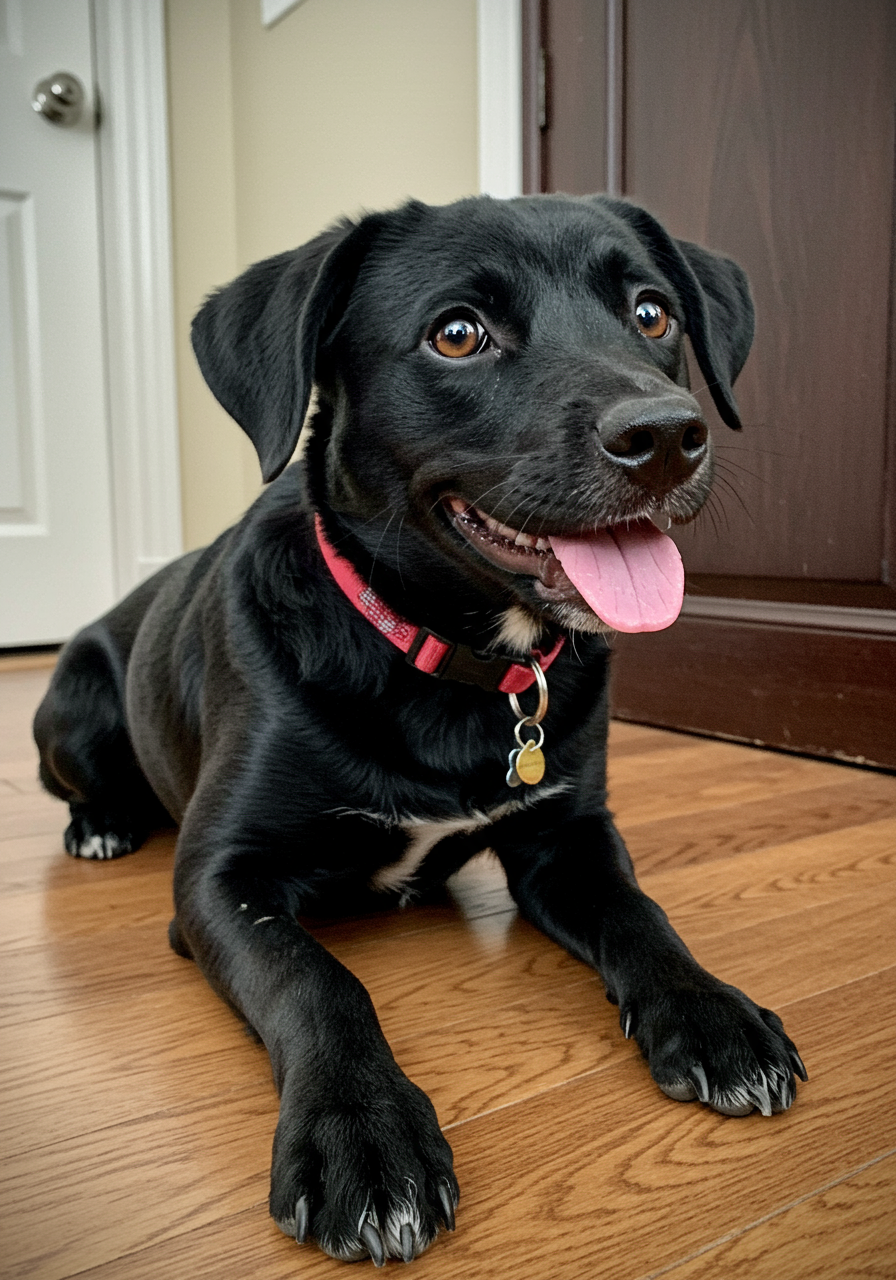
There is nothing quite like seeing Blackie greet me at the door with a full-body wag, his tail a blur of happiness. His boundless energy and goofy antics are pure joy, a constant source of laughter and comfort in my life. And like any devoted dog parent, my biggest wish for him is a long, healthy, and happy life. That is why keeping him at his optimal weight has always been a top priority for me.
For years, I have been super conscious about maintaining my loyal companion, Blackie, at his ideal weight. It is not just about looks or aesthetics; it is profoundly about his joints, his heart, and his overall vitality. A healthy weight means more years of enthusiastic fetch, more energetic walks around the neighborhood, and fewer stressful vet visits for preventable health issues.
It means more of those joyful, tail-wagging moments we both cherish so much.
In this post, I am going to share everything I have learned about balancing Blackie’s diet and exercise regimen. These are practical tips, common pitfalls I have navigated, and how to make healthy living a fun and integrated part of your daily routine with your own furry friend. Let us keep our beloved companions thriving and living their best, longest lives!
"**Keeping Blackie Lean and Loving Life: My Top Diet and Exercise Secrets!**
There is nothing quite like seeing Blackie greet me at the door with a full-body wag, his tail a blur of happiness. His boundless energy and goofy antics are pure joy, a constant source of laughter and comfort in my life. And like any devoted dog parent, my biggest wish for him is a long, healthy, and happy life. That is why keeping him at his optimal weight has always been a top priority for me.
For years, I have been super conscious about maintaining my loyal companion, Blackie, at his ideal weight. It is not just about looks or aesthetics; it is profoundly about his joints, his heart, and his overall vitality. A healthy weight means more years of enthusiastic fetch, more energetic walks around the neighborhood, and fewer stressful vet visits for preventable health issues.
It means more of those joyful, tail-wagging moments we both cherish so much.
In this post, I am going to share everything I have learned about balancing Blackie’s diet and exercise regimen. These are practical tips, common pitfalls I have navigated, and how to make healthy living a fun and integrated part of your daily routine with your own furry friend. Let us keep our beloved companions thriving and living their best, longest lives!
1. **Joint Problems:** Excess weight puts incredible strain on joints, significantly increasing the risk and severity of conditions like arthritis, hip dysplasia, and elbow dysplasia. This can lead to chronic pain and reduced mobility.
2. **Diabetes:** Just like in humans, obesity is a major risk factor for developing canine diabetes. This condition requires lifelong management with insulin injections and strict dietary control.
3. **Heart Disease:** An overweight body means the heart has to work much harder to pump blood, which can lead to various forms of heart disease and reduced cardiovascular efficiency.
4. **Breathing Difficulties:** Excess fat around the chest and abdomen can restrict lung capacity, leading to breathing problems, especially in hot weather or during exercise. This is particularly concerning for brachycephalic (short-nosed) breeds.
5. **Reduced Lifespan and Quality of Life:** Simply put, overweight dogs generally live shorter lives and experience a lower quality of life, often struggling with pain, lethargy, and a diminished ability to enjoy activities they once loved.
1. **Rib Check:** Can you easily feel his ribs without pressing hard? You should be able to feel them distinctively, like knuckles under a thin layer of skin. If you have to push to feel them, or you cannot feel them at all, your dog might be overweight.
2. **Waistline:** Does he have a visible "tuck" or hourglass shape from above? When you look down at your dog from overhead, you should see a discernible narrowing behind the rib cage. If his sides are parallel, or bulge outwards, it is a red flag.
3. **Abdominal Tuck:** Does his belly tuck up from the side? From the side, a healthy dog should have an abdomen that tucks up from the bottom of the rib cage to the hind legs, rather than sagging downwards.
4. **Energy Levels:** Has your dog’s usual energy dipped? Is he less enthusiastic about walks or play? A noticeable decrease in energy or willingness to exercise can be a subtle sign of weight gain impacting his comfort and mobility.
5. **Vet Consultation:** Always, always emphasize the vet's crucial role in determining ideal weight. Your veterinarian is the best resource for a definitive assessment and can offer tailored advice based on your dog's breed, age, and individual health needs. They can provide a professional body condition score and guide you on an appropriate target weight.
1. **Quality Over Quantity:** I have found that investing in a good quality kibble, Blackie loves a chicken and brown rice formula, makes a huge difference. A premium food is typically packed with more digestible nutrients, meaning your dog feels fuller with smaller portions and is getting all the essential vitamins and minerals without unnecessary fillers. Whether you choose kibble, raw, or fresh food, always consult your vet to ensure it is balanced and appropriate for your dog's specific needs.
2. **"Weight Management" Formulas:** Are they right for your dog? These foods are often lower in calories and fat, but higher in fiber to help dogs feel full. They can be a good option for weight loss, but again, discuss with your vet to make sure it is the best fit for your dog’s overall health. Sometimes, simply reducing the portion of their regular food is enough, especially if it is already a high-quality product.
1. **Follow Manufacturer Guidelines (But Adjust!):** Use the feeding guidelines on the bag as a starting point, but do not treat them as gospel. These are often broad recommendations and might not account for your dog's specific activity level, metabolism, or whether they are spayed or neutered (which can lower calorie needs). Always observe your dog’s body condition and adjust accordingly.
2. **The Measuring Cup is Your Best Friend:** I cannot stress this enough. Eyeballing portions is a recipe for disaster. Invest in a proper measuring cup and use it precisely for every single meal. Even a quarter cup extra per day can lead to significant weight gain over a year. I strictly measure Blackie's meals, and it makes all the difference.
3. **Split Meals:** Feeding smaller, more frequent meals can sometimes help with metabolism and prevent intense hunger pangs between feedings. I split Blackie's daily allowance into two meals, one in the morning and one in the evening. This also helps with digestion and keeps him feeling satisfied throughout the day.
1. **Moderation is Key:** Treats should make up less than 10% of your dog's daily caloric intake. This means if your dog needs 500 calories a day, only 50 of those should come from treats. It is a surprisingly small amount.
2. **Healthy Alternatives:** I have learned to swap out high-calorie biscuits for a crunchy carrot stick or a few pieces of green bean. Blackie still gets excited, and it is so much healthier! Other great options include apple slices (without seeds), celery, or small pieces of cooked, plain chicken breast. Always check if a human food is safe for dogs before offering it.
3. **Training Treats:** If you use treats for training, opt for very small, low-calorie options. Break larger treats into tiny pieces to stretch them further and reduce calorie intake. Blackie gets tiny morsels of plain boiled chicken or commercial training treats that are specifically designed to be low-calorie.
4. **"Life Reward" Versus Food Reward:** Not every good behavior needs a food reward. Praise, petting, a quick game of tug, or a moment of focused attention can be just as rewarding for many dogs and are calorie-free. Blackie responds just as well to a hearty "Good boy!" and a vigorous ear rub as he does to a treat, especially for behaviors he already knows well.
1. **A Strict "No Table Scraps" Rule:** No human food from the table – ever. This is for his own good. Table scraps, even small ones, can drastically upset the balance of your dog's diet, introduce unknown calories, and potentially expose them to foods that are toxic or harmful. My rule is: if it is on my plate, it is not for Blackie.
2. **Dangerous Foods to Avoid:** Be absolutely vigilant about foods that are toxic to dogs. These include chocolate, grapes and raisins, xylitol (a sugar substitute found in many human foods), onions, garlic, avocado, macadamia nuts, and alcohol, among others. A quick online search or a call to your vet can confirm if a food is safe. It is better to be safe than sorry.
1. **Puppies and Young Dogs:** These youngsters often have bursts of energy followed by long naps. Their exercise should be frequent but shorter in duration to protect their developing joints. Multiple short play sessions throughout the day are ideal.
2. **Adult Dogs:** Most adult dogs benefit from a consistent routine. This is where Blackie is now. Aim for moderate to vigorous activity daily.
3. **Senior Dogs:** As Blackie gets older, our morning "power walks" have become more leisurely "sniffaris," but consistency is still key. Senior dogs often benefit from gentler activities that are easy on their joints, such as swimming, short, frequent walks, or soft ground play. Consult your vet to determine the best exercise regimen for an aging dog, especially if they have arthritis or other health conditions.
1. **Daily Walks:** Do not just let your dog sniff every lamppost for an hour, although some sniffing is great for mental stimulation. Incorporate brisk walking periods where you maintain a steady pace. Vary your routes to keep things interesting. I aim for at least two walks a day, ensuring Blackie gets a good stretch and active movement.
2. **Playtime:** Fetch, tug-of-war, or chasing bubbles are fantastic ways to get your dog moving vigorously in short bursts. Blackie’s absolute favorite is chasing his squeaky ball in the park. These games are also wonderful bonding activities.
3. **Dog Parks and Socialization:** Supervised play with other dogs at a reputable dog park can be an excellent way for your dog to burn energy and practice social skills. Just be mindful of your dog's temperament and ensure the park is safe.
4. **Canine Sports and Activities:** Consider trying canine sports like agility, swimming, hiking, or even nose work. These activities provide both physical and mental stimulation and can be incredibly rewarding for both of you. On hotter days, a swim in the lake is a great, low-impact workout for Blackie that is easy on his joints.
1. **Daily Routine:** Aim for at least 30-60 minutes of moderate to vigorous exercise daily for most adult dogs, ideally split into two or more sessions. Consistency is far more important than sporadic, intense workouts.
2. **Listen to Your Dog:** Always pay attention to your dog’s cues. If they are panting excessively, lagging behind, or showing signs of discomfort, it is time to slow down or stop. Never overdo it, especially in extreme heat or cold. Adapt the exercise intensity and duration to the weather and your dog’s current condition.
1. **Regular Weigh-ins:** If recommended by your vet, regular weigh-ins, perhaps monthly or bi-monthly, can help you track progress and make necessary adjustments. Many vet offices are happy for you to pop in for a quick weigh-in between appointments.
2. **Body Condition Score Re-evaluation:** Keep an eye on those ribs and waistline. Periodically perform the "Blackie Check" to reassess his body condition. Visual and tactile checks are just as important as the scale.
3. **Keep a Food and Exercise Log (Optional but Helpful):** For some, tracking what your dog eats and how much exercise they get can be incredibly insightful. It helps you identify patterns, see what works, and stay accountable.
1. **Regular Check-ups:** These are crucial for overall health monitoring and weight management. Your vet can identify underlying health issues that might affect weight and provide a professional body condition score.
2. **Discussing Diet Changes:** Always consult your vet before making significant changes to your dog's diet, especially if they have any existing health conditions. They can recommend specific foods or a tailored feeding plan.
3. **Asking About Calorie Needs:** Your vet can help calculate your dog’s ideal daily caloric intake based on their ideal weight, activity level, and health status. This precise number is the best starting point for portion control.
1. **Begging:** Oh, the begging! It took a lot of willpower and consistency, but now Blackie knows "no" means "no" when it comes to my dinner. When he begs, I either ignore it, redirect his attention with a favorite toy, or initiate a short training session to channel his energy into something productive.
2. **Picky Eaters:** If your dog suddenly starts refusing their food, especially after a diet change, consult your vet. It could be pickiness, or it could be a sign of an underlying health issue.
3. **Lack of Time:** Life gets busy, I get it. On those days when a long walk is impossible, I break up Blackie’s exercise into shorter, more intense bursts like a vigorous 15-minute fetch session in the yard or a quick run around the block. Enlist help from family members or consider hiring a dog walker if your schedule is consistently packed.
"**Keeping Blackie Lean and Loving Life: My Top Diet and Exercise Secrets!**
There is nothing quite like seeing Blackie greet me at the door with a full-body wag, his tail a blur of happiness. His boundless energy and goofy antics are pure joy, a constant source of laughter and comfort in my life. And like any devoted dog parent, my biggest wish for him is a long, healthy, and happy life. That is why keeping him at his optimal weight has always been a top priority for me.
For years, I have been super conscious about maintaining my loyal companion, Blackie, at his ideal weight. It is not just about looks or aesthetics; it is profoundly about his joints, his heart, and his overall vitality. A healthy weight means more years of enthusiastic fetch, more energetic walks around the neighborhood, and fewer stressful vet visits for preventable health issues.
It means more of those joyful, tail-wagging moments we both cherish so much.
In this post, I am going to share everything I have learned about balancing Blackie’s diet and exercise regimen. These are practical tips, common pitfalls I have navigated, and how to make healthy living a fun and integrated part of your daily routine with your own furry friend. Let us keep our beloved companions thriving and living their best, longest lives!
The "Why" Behind the "How": Understanding Healthy Weight
Before we dive into the specifics of diet and exercise, it is crucial to understand *why* maintaining a healthy weight is so paramount for our dogs. It is more than just a number on a scale; it is about preventing a cascade of serious health problems that can drastically reduce both the quality and length of their lives.The Dangers of Canine Obesity
Canine obesity is a widespread issue, and it comes with a frightening list of associated health risks. I never want Blackie to suffer from these avoidable issues. Seeing him struggle to keep up on a walk or breathing heavily after a short run would simply break my heart.1. **Joint Problems:** Excess weight puts incredible strain on joints, significantly increasing the risk and severity of conditions like arthritis, hip dysplasia, and elbow dysplasia. This can lead to chronic pain and reduced mobility.
2. **Diabetes:** Just like in humans, obesity is a major risk factor for developing canine diabetes. This condition requires lifelong management with insulin injections and strict dietary control.
3. **Heart Disease:** An overweight body means the heart has to work much harder to pump blood, which can lead to various forms of heart disease and reduced cardiovascular efficiency.
4. **Breathing Difficulties:** Excess fat around the chest and abdomen can restrict lung capacity, leading to breathing problems, especially in hot weather or during exercise. This is particularly concerning for brachycephalic (short-nosed) breeds.
5. **Reduced Lifespan and Quality of Life:** Simply put, overweight dogs generally live shorter lives and experience a lower quality of life, often struggling with pain, lethargy, and a diminished ability to enjoy activities they once loved.
How to Tell if Your Dog is Overweight (The "Blackie Check")
It is not always obvious if your dog is carrying a few extra pounds. Those adorable rolls might seem cute, but they can be a sign of trouble. I regularly give Blackie what I call the "Blackie Check" to monitor his body condition.1. **Rib Check:** Can you easily feel his ribs without pressing hard? You should be able to feel them distinctively, like knuckles under a thin layer of skin. If you have to push to feel them, or you cannot feel them at all, your dog might be overweight.
2. **Waistline:** Does he have a visible "tuck" or hourglass shape from above? When you look down at your dog from overhead, you should see a discernible narrowing behind the rib cage. If his sides are parallel, or bulge outwards, it is a red flag.
3. **Abdominal Tuck:** Does his belly tuck up from the side? From the side, a healthy dog should have an abdomen that tucks up from the bottom of the rib cage to the hind legs, rather than sagging downwards.
4. **Energy Levels:** Has your dog’s usual energy dipped? Is he less enthusiastic about walks or play? A noticeable decrease in energy or willingness to exercise can be a subtle sign of weight gain impacting his comfort and mobility.
5. **Vet Consultation:** Always, always emphasize the vet's crucial role in determining ideal weight. Your veterinarian is the best resource for a definitive assessment and can offer tailored advice based on your dog's breed, age, and individual health needs. They can provide a professional body condition score and guide you on an appropriate target weight.
Diet: The Foundation of Blackie's Weight Management
Diet is, without a doubt, the single most critical factor in managing your dog’s weight. You can exercise all day, but if the calories going in outweigh the calories going out, you will be fighting an uphill battle. This is where precision and quality truly count.Choosing the Right Food
The foundation of Blackie’s diet is built on high-quality nutrition.1. **Quality Over Quantity:** I have found that investing in a good quality kibble, Blackie loves a chicken and brown rice formula, makes a huge difference. A premium food is typically packed with more digestible nutrients, meaning your dog feels fuller with smaller portions and is getting all the essential vitamins and minerals without unnecessary fillers. Whether you choose kibble, raw, or fresh food, always consult your vet to ensure it is balanced and appropriate for your dog's specific needs.
2. **"Weight Management" Formulas:** Are they right for your dog? These foods are often lower in calories and fat, but higher in fiber to help dogs feel full. They can be a good option for weight loss, but again, discuss with your vet to make sure it is the best fit for your dog’s overall health. Sometimes, simply reducing the portion of their regular food is enough, especially if it is already a high-quality product.
Portion Control is King (and Queen!)
This is where most people, myself included initially, go wrong. That little extra scoop "just because Blackie looks hungry" or adding a bit more "just in case" adds up incredibly quickly. Calorie creep is real, and it is a silent saboteur of a healthy weight.1. **Follow Manufacturer Guidelines (But Adjust!):** Use the feeding guidelines on the bag as a starting point, but do not treat them as gospel. These are often broad recommendations and might not account for your dog's specific activity level, metabolism, or whether they are spayed or neutered (which can lower calorie needs). Always observe your dog’s body condition and adjust accordingly.
2. **The Measuring Cup is Your Best Friend:** I cannot stress this enough. Eyeballing portions is a recipe for disaster. Invest in a proper measuring cup and use it precisely for every single meal. Even a quarter cup extra per day can lead to significant weight gain over a year. I strictly measure Blackie's meals, and it makes all the difference.
3. **Split Meals:** Feeding smaller, more frequent meals can sometimes help with metabolism and prevent intense hunger pangs between feedings. I split Blackie's daily allowance into two meals, one in the morning and one in the evening. This also helps with digestion and keeps him feeling satisfied throughout the day.
Treats: The Sneaky Calories
Blackie LOVES treats. His eyes light up, and his tail wags furiously at the mere mention of the word. But treats are often calorie bombs hiding in plain sight.1. **Moderation is Key:** Treats should make up less than 10% of your dog's daily caloric intake. This means if your dog needs 500 calories a day, only 50 of those should come from treats. It is a surprisingly small amount.
2. **Healthy Alternatives:** I have learned to swap out high-calorie biscuits for a crunchy carrot stick or a few pieces of green bean. Blackie still gets excited, and it is so much healthier! Other great options include apple slices (without seeds), celery, or small pieces of cooked, plain chicken breast. Always check if a human food is safe for dogs before offering it.
3. **Training Treats:** If you use treats for training, opt for very small, low-calorie options. Break larger treats into tiny pieces to stretch them further and reduce calorie intake. Blackie gets tiny morsels of plain boiled chicken or commercial training treats that are specifically designed to be low-calorie.
4. **"Life Reward" Versus Food Reward:** Not every good behavior needs a food reward. Praise, petting, a quick game of tug, or a moment of focused attention can be just as rewarding for many dogs and are calorie-free. Blackie responds just as well to a hearty "Good boy!" and a vigorous ear rub as he does to a treat, especially for behaviors he already knows well.
The "Human Food" Minefield
This one was hard for me, especially with Blackie's expert puppy-dog eyes, but I have drawn a firm line.1. **A Strict "No Table Scraps" Rule:** No human food from the table – ever. This is for his own good. Table scraps, even small ones, can drastically upset the balance of your dog's diet, introduce unknown calories, and potentially expose them to foods that are toxic or harmful. My rule is: if it is on my plate, it is not for Blackie.
2. **Dangerous Foods to Avoid:** Be absolutely vigilant about foods that are toxic to dogs. These include chocolate, grapes and raisins, xylitol (a sugar substitute found in many human foods), onions, garlic, avocado, macadamia nuts, and alcohol, among others. A quick online search or a call to your vet can confirm if a food is safe. It is better to be safe than sorry.
Hydration
While not directly related to calories, always ensure your dog has access to fresh, clean water. Staying hydrated is vital for all bodily functions and overall health.Exercise: Getting Blackie Moving!
Diet is foundational, but exercise is the crucial partner in maintaining a healthy weight and ensuring a vibrant life. Exercise is not just about burning calories for Blackie; it is profoundly about his mental health, muscle tone, joint flexibility, and overall happiness. A tired dog is almost always a happy dog!Importance of Regular Activity
Regular physical activity offers numerous benefits beyond just weight management. It builds lean muscle mass, which boosts metabolism. It improves cardiovascular health and stamina. It also provides vital mental stimulation, reduces boredom, and strengthens the incredible bond you share with your dog.Tailor Exercise to Your Dog (Age, Breed, Health)
What works for a young, energetic Labrador will not necessarily work for an older, smaller breed with joint issues. Tailoring exercise to your dog's individual needs is paramount.1. **Puppies and Young Dogs:** These youngsters often have bursts of energy followed by long naps. Their exercise should be frequent but shorter in duration to protect their developing joints. Multiple short play sessions throughout the day are ideal.
2. **Adult Dogs:** Most adult dogs benefit from a consistent routine. This is where Blackie is now. Aim for moderate to vigorous activity daily.
3. **Senior Dogs:** As Blackie gets older, our morning "power walks" have become more leisurely "sniffaris," but consistency is still key. Senior dogs often benefit from gentler activities that are easy on their joints, such as swimming, short, frequent walks, or soft ground play. Consult your vet to determine the best exercise regimen for an aging dog, especially if they have arthritis or other health conditions.
Variety is the Spice of Life (and Exercise!)
To keep Blackie engaged and to work different muscle groups, I vary our activities. Monotony can lead to boredom for both of you!1. **Daily Walks:** Do not just let your dog sniff every lamppost for an hour, although some sniffing is great for mental stimulation. Incorporate brisk walking periods where you maintain a steady pace. Vary your routes to keep things interesting. I aim for at least two walks a day, ensuring Blackie gets a good stretch and active movement.
2. **Playtime:** Fetch, tug-of-war, or chasing bubbles are fantastic ways to get your dog moving vigorously in short bursts. Blackie’s absolute favorite is chasing his squeaky ball in the park. These games are also wonderful bonding activities.
3. **Dog Parks and Socialization:** Supervised play with other dogs at a reputable dog park can be an excellent way for your dog to burn energy and practice social skills. Just be mindful of your dog's temperament and ensure the park is safe.
4. **Canine Sports and Activities:** Consider trying canine sports like agility, swimming, hiking, or even nose work. These activities provide both physical and mental stimulation and can be incredibly rewarding for both of you. On hotter days, a swim in the lake is a great, low-impact workout for Blackie that is easy on his joints.
Consistency and Duration
Rain or shine, Blackie gets his exercise. It is built into our daily schedule, just like my morning coffee.1. **Daily Routine:** Aim for at least 30-60 minutes of moderate to vigorous exercise daily for most adult dogs, ideally split into two or more sessions. Consistency is far more important than sporadic, intense workouts.
2. **Listen to Your Dog:** Always pay attention to your dog’s cues. If they are panting excessively, lagging behind, or showing signs of discomfort, it is time to slow down or stop. Never overdo it, especially in extreme heat or cold. Adapt the exercise intensity and duration to the weather and your dog’s current condition.
Mental Stimulation
Do not forget that mental exercise also burns energy. Puzzle feeders, hide-and-seek with treats or toys, and regular training sessions can tire a dog out almost as much as physical activity and prevent boredom-related destructive behaviors.Putting It All Together: A Holistic Approach for Blackie's Best Life
Maintaining a healthy weight for your dog is not a one-time fix; it is a lifestyle. It requires consistency, observation, and a willingness to adapt as your dog ages and their needs change.Consistency is Key
There are days I am tired, and the last thing I want to do is head out for another walk. But remembering Blackie's eager face and the joy he gets from our time together motivates me every single time. Consistency is where we have seen the most success. Small, daily efforts in both diet and exercise add up to significant, lasting results. Skipping one walk might not seem like much, but a pattern of inconsistency will make reaching and maintaining a healthy weight much harder.Monitoring Progress
You need to know if your efforts are paying off.1. **Regular Weigh-ins:** If recommended by your vet, regular weigh-ins, perhaps monthly or bi-monthly, can help you track progress and make necessary adjustments. Many vet offices are happy for you to pop in for a quick weigh-in between appointments.
2. **Body Condition Score Re-evaluation:** Keep an eye on those ribs and waistline. Periodically perform the "Blackie Check" to reassess his body condition. Visual and tactile checks are just as important as the scale.
3. **Keep a Food and Exercise Log (Optional but Helpful):** For some, tracking what your dog eats and how much exercise they get can be incredibly insightful. It helps you identify patterns, see what works, and stay accountable.
Partnering with Your Veterinarian
Your veterinarian is your most valuable partner in this journey. My vet, Dr. Evans, is my go-to resource. She helps me adjust Blackie's plan as he ages and his needs change, and she provides invaluable insights.1. **Regular Check-ups:** These are crucial for overall health monitoring and weight management. Your vet can identify underlying health issues that might affect weight and provide a professional body condition score.
2. **Discussing Diet Changes:** Always consult your vet before making significant changes to your dog's diet, especially if they have any existing health conditions. They can recommend specific foods or a tailored feeding plan.
3. **Asking About Calorie Needs:** Your vet can help calculate your dog’s ideal daily caloric intake based on their ideal weight, activity level, and health status. This precise number is the best starting point for portion control.
Dealing with Challenges (The "Blackie Begging" Edition)
Let us be honest, it is not always easy. Dogs are masters of emotional manipulation, especially when food is involved!1. **Begging:** Oh, the begging! It took a lot of willpower and consistency, but now Blackie knows "no" means "no" when it comes to my dinner. When he begs, I either ignore it, redirect his attention with a favorite toy, or initiate a short training session to channel his energy into something productive.
2. **Picky Eaters:** If your dog suddenly starts refusing their food, especially after a diet change, consult your vet. It could be pickiness, or it could be a sign of an underlying health issue.
3. **Lack of Time:** Life gets busy, I get it. On those days when a long walk is impossible, I break up Blackie’s exercise into shorter, more intense bursts like a vigorous 15-minute fetch session in the yard or a quick run around the block. Enlist help from family members or consider hiring a dog walker if your schedule is consistently packed.
Comments
Post a Comment